
Coffee processing methods are the techniques used to remove chaff (the layers of fruit surrounding the coffee seed) after harvesting and to prepare the seed for drying, storage, export, roasting, and brewing.
Processing is one of the most important stages in coffee production because it significantly influences the flavor, aroma, body, acidity, sweetness, and overall quality of the finished beverage.
The coffee bean is the seed of the coffee cherry, a fruit produced by plants of the genus Coffea. Before the seed can be roasted, the outer skin, pulp, mucilage, parchment, and silverskin must be removed through a series of mechanical, biological, and drying processes.
The specific method chosen by a producer affects both the physical characteristics of the green coffee and the sensory attributes of the final cup.
Historically, coffee was processed primarily through natural (dry) and washed (wet) methods. During the late twentieth and early twenty-first centuries, producers developed additional techniques, including honey processing, controlled fermentations, carbonic maceration, and numerous experimental approaches.
As a result, coffee processing has evolved into a specialized field combining agriculture, microbiology, food science, and quality management.
Importance of Coffee Processing
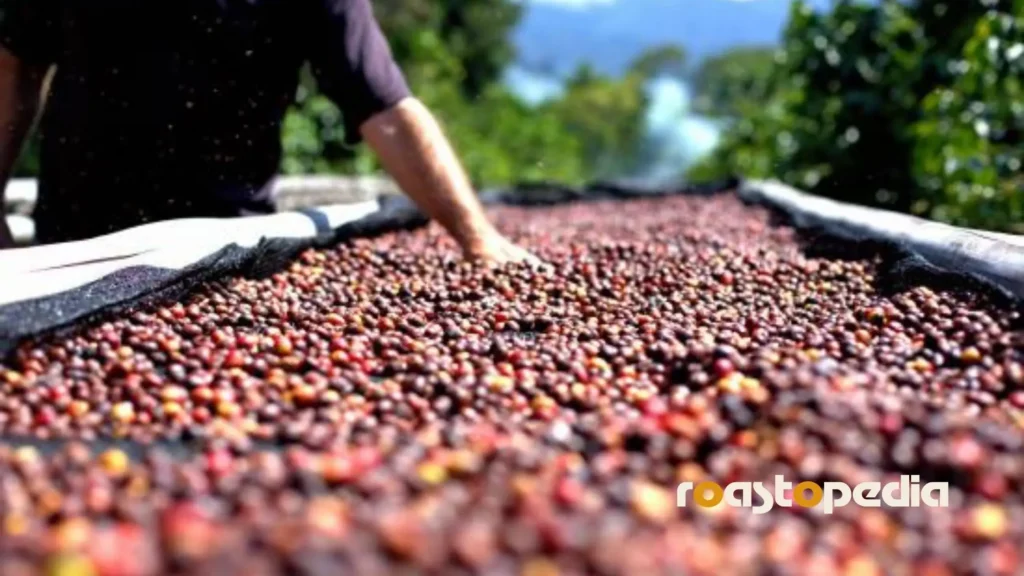
Coffee processing serves several essential functions:
- Removes the fruit layers surrounding the coffee seed.
- Reduces moisture content to levels suitable for storage and transport.
- Influences fermentation activity and microbial development.
- Helps determine flavor profile and sensory characteristics.
- Reduces the risk of spoilage and defects.
- Contributes to the economic value of coffee lots.
- Enables producers to differentiate coffees within specialty markets.
Processing methods can produce dramatically different flavor outcomes even when the coffee originates from the same farm, variety, harvest, and growing conditions.
Classification of Coffee Processing Methods
Coffee processing methods are generally grouped into several broad categories:
Traditional Processing Methods
Traditional methods form the foundation of coffee processing worldwide and remain the most widely practiced techniques.
- Natural Process (Dry Process)
- Washed Process (Wet Process)
- Honey Process
- Pulped Natural Process
- Semi-Washed Process (Wet-Hulled Preparation)
- Wet-Hulled Process (Giling Basah)
Honey Process Variations
Honey processing involves drying coffee with varying amounts of mucilage remaining on the seed.
- Yellow Honey Process
- Red Honey Process
- Black Honey Process
- White Honey Process
- Golden Honey Process
Controlled Fermentation Methods
These methods employ deliberate fermentation management to influence flavor development.
- Aerobic Fermentation
- Anaerobic Fermentation
- Extended Fermentation
- Carbonic Maceration
- Lactic Fermentation
- Yeast-Inoculated Fermentation
- Sequential Fermentation
- Multi-Stage Fermentation
- Submerged Fermentation
Fruit-Driven and Whole-Cherry Methods
These techniques retain portions or all of the fruit during drying and fermentation.
- Cherry Fermentation
- Whole-Cherry Natural Processing
- Anaerobic Natural Processing
- Carbonic Natural Processing
Hybrid Processing Methods
Hybrid methods combine characteristics of two or more traditional processing systems.
- Anaerobic Washed Process
- Anaerobic Honey Process
- Carbonic Honey Process
- Double Fermentation Process
- Double Washed Process
- Re-Washed Process
Thermal and Environmental Fermentation Variants
These methods utilize environmental conditions to influence fermentation outcomes.
- Cold Fermentation
- Hot Fermentation
- Temperature-Controlled Fermentation
- Shade-Dried Natural Processing
- Raised-Bed Processing
- Solar-Dried Processing
- Mechanical-Dried Processing
Experimental and Innovative Methods
Experimental techniques have emerged primarily within the specialty coffee industry.
- Koji Fermentation
- Enzyme-Assisted Processing
- Starter-Culture Fermentation
- Precision Fermentation
- Oxygen-Deprivation Fermentation
- Bioreactor Fermentation
- Nitrogen-Flushed Fermentation
- Pressurized Fermentation
Infused and Flavor-Modified Processes
These methods involve the intentional introduction of external ingredients or flavor-active compounds during processing.
- Fruit-Infused Processing
- Spice-Infused Processing
- Co-Fermentation
- Ingredient-Assisted Fermentation
Regional and Specialty Methods
Certain methods are strongly associated with specific producing regions or historical practices.
- Monsooned Processing
- Indian Monsooning
- Reposado Processing
- Aged Coffee Processing
- Barrel-Aged Post-Processing
Drying-Focused Processing Variants
Drying is an integral component of coffee processing and may itself be carried out using different techniques.
- Patio Drying
- African Raised-Bed Drying
- Guardiola Drying
- Mechanical Drying
- Solar Tunnel Drying
- Hybrid Drying Systems
Processing and Coffee Flavor
The processing method affects the interaction between the coffee seed and the fruit during drying and fermentation. As a result, processing is a major contributor to flavor development.
General trends include:
- Washed coffees often exhibit higher clarity, brightness, and pronounced acidity.
- Natural coffees commonly display increased fruitiness, sweetness, and body.
- Honey-processed coffees frequently combine characteristics of both washed and natural coffees.
- Controlled fermentation methods may introduce distinctive fruit, floral, wine-like, or spice-related flavor attributes.
- Experimental methods can produce highly differentiated sensory profiles that appeal to specialty coffee markets.
The exact flavor outcome depends on numerous factors, including coffee variety, climate, altitude, harvesting practices, microbial activity, drying conditions, and post-harvest handling.
Evolution of Coffee Processing
Coffee processing has undergone significant technological development since coffee cultivation expanded beyond its centers of origin. Traditional natural processing is considered the oldest known method and remains common in regions with limited water resources. Washed processing became widespread with the development of wet mills and improved infrastructure.
During the specialty coffee movement, producers increasingly experimented with fermentation management, microbiological controls, and innovative drying techniques.
Today, coffee processing represents one of the most active areas of research and innovation within the global coffee industry.
See Also
- Coffee Harvesting
- Selective Picking
- Strip Picking
- Mechanical Harvesting
- Coffee Fermentation
- Coffee Drying
- Coffee Defects
- Coffee Varieties
- Coffee Production
- Specialty Coffee
References
- International Coffee Organization (ICO). Coffee Production and Processing Resources.
- Specialty Coffee Association (SCA). Coffee Processing and Green Coffee Standards.
- Wintgens, J. N. Coffee: Growing, Processing, Sustainable Production.
- Illy, Andrea & Viani, Rinantonio. Espresso Coffee: The Science of Quality.
- Clarke, R. J., and Macrae, R. Coffee: Agronomy, Processing and Utilization.
- Farah, Adriana. Coffee: Production, Quality and Chemistry.
- International Trade Centre (ITC). The Coffee Guide.