
A portafilter is a specialized handheld apparatus used in espresso machines to hold coffee grounds during the extraction process. This tool consists of a heavy metal body, a fine-mesh filter basket, and a handle designed for manual engagement with the machine’s group head. It serves as the primary interface between the barista and the high-pressure brewing environment.
Origin & History
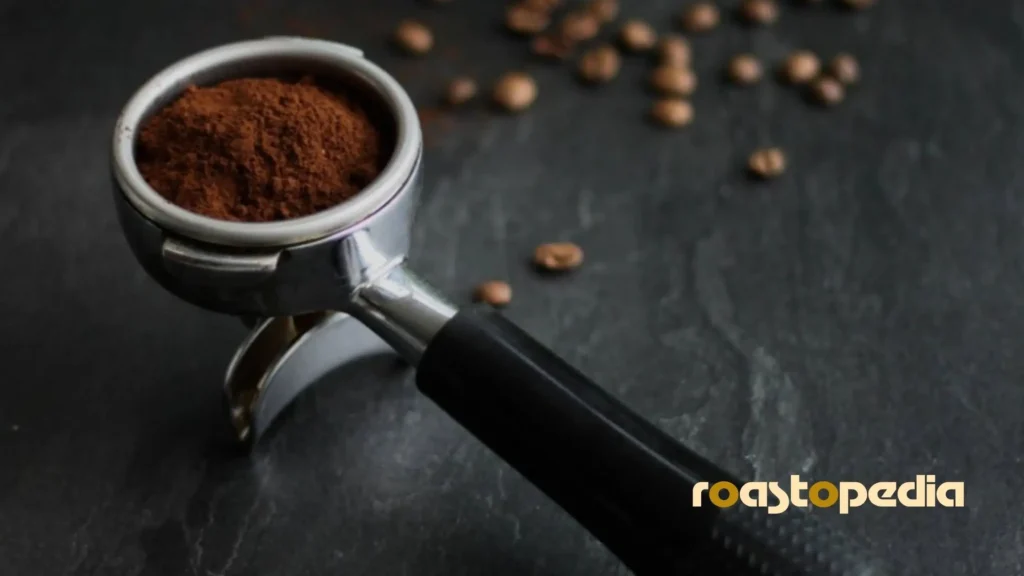
Luigi Bezzera introduced the first recognizable version of the portafilter in his 1901 patent for a high-speed coffee machine. Before this innovation, coffee was typically brewed in large batches that lost their freshness and aroma almost immediately. Bezzera’s design allowed for the preparation of individual servings by detaching the filter from the machine for cleaning and refilling.
Early iterations of the tool were significantly larger and were often designed to lock into vertical boilers with a bayonet-style mount. These initial designs prioritized speed and physical durability to withstand the intense steam pressure of turn-of-the-century cafes. Such foundational mechanics remain the blueprint for the professional espresso equipment used today.
Evolution of the portafilter accelerated during the middle of the twentieth century as manufacturers began to focus on thermal stability. Materials like heavy brass and chrome plating became the industry standard for their ability to maintain a consistent temperature. These advancements ensured that the brewing water did not lose its heat as it traveled through the metal body.
Etymology
The etymological roots of the word trace back to the Italian term ‘portafiltro,’ which translates literally to “carry filter.” This name describes the mobile nature of the device, which must be carried between the grinder and the espresso machine. It distinguishes the tool from fixed filtration systems found in other styles of coffee brewing.
English adoption of the term became standard as the espresso culture spread globally through the mid-twentieth century. Professionals occasionally use the shortened form “handle” in fast-paced commercial environments to refer to the entire assembly. This linguistic shorthand reflects the tactile and physical nature of the barista’s daily workflow.
Technical nomenclature often differentiates between the “body” of the portafilter and the “basket” that sits inside it. While the terms are frequently used interchangeably, the body provides the structural lock while the basket performs the actual filtration.
Understanding these distinctions is essential for troubleshooting issues with extraction quality or equipment wear.
Professional Evolution
Technical standards for the portafilter have shifted toward the pursuit of extreme precision in basket geometry and hole distribution. Companies like VST and IMS have pioneered the development of “precision filter baskets” with laser-drilled openings. These high-end components ensure that water flows evenly across the entire surface area of the coffee puck.
The introduction of the bottomless portafilter or “naked” portafilter has revolutionized how baristas are trained to observe extraction. By removing the spouts and the bottom of the metal body, this tool exposes the underside of the filter basket. This visibility allows the operator to identify channeling and other technical defects in real-time.
Ergonomic handles and balanced weight distribution have become primary selling points for modern professional equipment. Manufacturers now offer handles made from exotic woods, silicone, or weighted plastics to reduce the physical strain of repetitive locking motions. This focus on the human element reflects a broader industry commitment to barista longevity and health.
Technical Responsibilities
Ensuring that the portafilter is clean and dry before every shot is a non-negotiable step in a professional workflow. Residual moisture can cause the coffee grounds to clump and create uneven resistance during the tamping process. A clean basket prevents the buildup of old coffee oils that would otherwise impart rancid flavors to the fresh brew.
Temperature management requires the portafilter to remain locked in the group head whenever it is not being filled with coffee. If the metal is allowed to cool down, it will absorb heat from the brewing water and cause the extraction to fail. This simple habit of “keeping the handles hot” is a hallmark of a disciplined and skilled barista.
Selecting the correct basket size for the desired coffee dose is critical for maintaining proper headspace. Most modern baskets are rated for a specific weight range, such as 18 to 20 grams of ground coffee. Using a dose that is too large or too small will disrupt the pressure dynamics and lead to a poor flavor profile.
Functional Variations
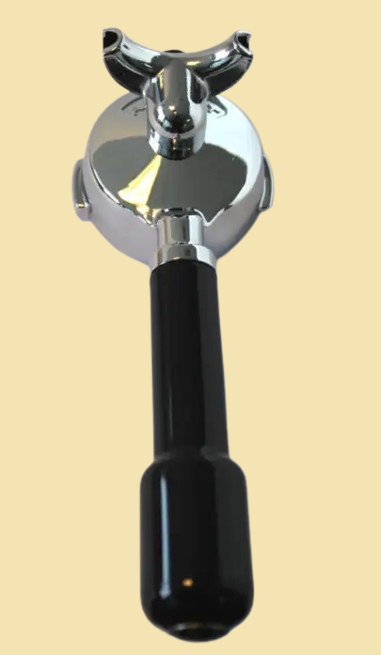
Spouted portafilters (fig: right) remain the most common choice for traditional service due to their ability to split a single extraction into two cups. These devices often feature a “double spout” that directs the liquid evenly through two separate exit points. This functional design allows a barista to prepare two individual drinks simultaneously without losing speed.
Pressurized portafilters are frequently found on entry-level domestic machines to compensate for inconsistent grind quality. These baskets feature a secondary wall with a single small hole that creates artificial resistance for the brewing water. While they produce a stable crema, they often sacrifice the depth and complexity of flavor found in commercial systems.
Bottomless portafilters provide the highest level of feedback and are preferred by specialists for dialing in complex single-origin coffees. The absence of metal surfaces below the basket preserves the delicate micro-bubbles of the crema and enhances the mouthfeel. This variant has become a symbol of the specialty coffee movement’s dedication to technical transparency.
Material Science
Forged brass with a thick layer of chrome plating has been the dominant material choice for professional portafilters for decades. Brass possesses an excellent thermal mass, which helps it resist temperature fluctuations during a busy service shift. The chrome layer provides a non-reactive and easy-to-clean surface that protects the underlying metal from corrosion.
Stainless steel portafilters are gaining popularity in the high-end market for their superior durability and lack of chemical leaching. Unlike chrome-plated brass, stainless steel will not flake or wear down after years of heavy commercial use. Many leading manufacturers now offer these as a premium upgrade for their flagship espresso machines.
Handle materials are chosen for their insulating properties to protect the barista’s hand from the heat of the brewing group. Traditional designs used heavy-duty plastics or rubber, but modern artisanal options often include walnut, olive wood, or even carbon fiber. These choices combine functional heat resistance with a personalized aesthetic for the individual practitioner.
Notable Facts
The internal diameter of a standard commercial portafilter basket is approximately 58 millimeters, though variations exist. Some manufacturers, such as La Spaziale or Dalla Corte, use smaller 53mm or 54mm diameters to achieve a deeper coffee bed. These different dimensions can subtly influence the flavor profile and body of the resulting espresso.
Portafilter baskets can be replaced and upgraded independently of the main handle assembly to change the brewing capacity. This modularity allows a cafe to switch between single, double, and triple-shot recipes without purchasing new equipment. It is common for a professional to keep several different basket sizes on hand for different coffee varieties.
International Barista Championship rules strictly forbid the use of pressurized portafilters or pre-ground coffee in any competition. Competitors must demonstrate their ability to manage the extraction process through grind adjustment and tamping alone. This requirement reinforces the status of the portafilter as a tool of professional craftsmanship and skill.
Related Concepts
Group Head refers to the fixed part of the espresso machine where the portafilter locks in for brewing. This component contains the shower screen and the gasket that creates the high-pressure seal. Maintaining a clean and functional group head is just as important as the care of the portafilter itself.
A gasket is the rubber or silicone ring located inside the group head that seals the rim of the portafilter. Over time, heat and pressure cause this material to harden and eventually fail, leading to leaks during extraction. Regular replacement of this inexpensive part is essential for maintaining a safe and efficient workstation.
Basket Spring is the small wire clip inside the portafilter body that holds the filter basket securely in place. This simple component allows the barista to knock out spent coffee pucks without the basket falling out of the handle. If the spring becomes loose, it can be easily adjusted or replaced to restore a tight fit.