
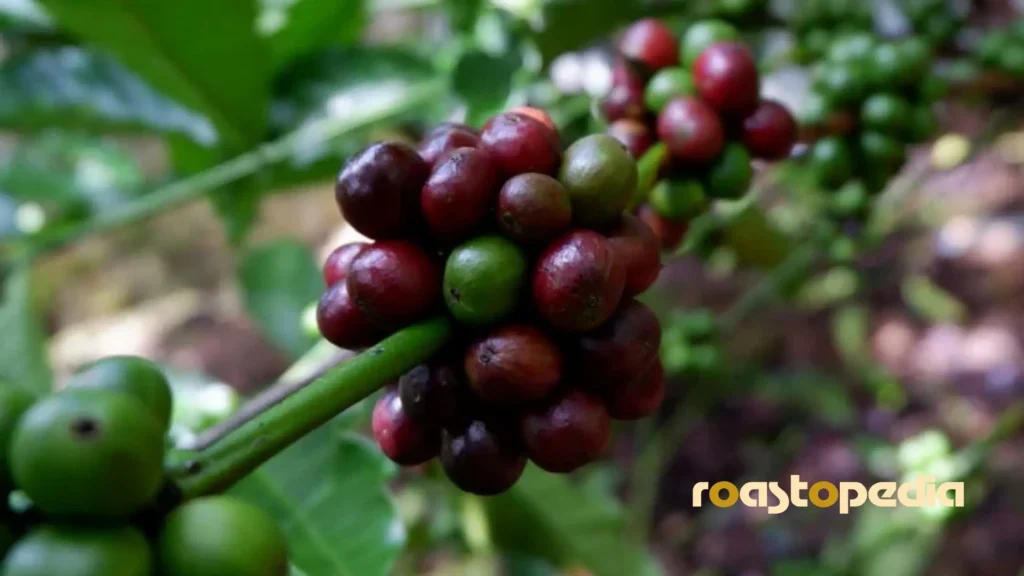
Robusta coffee (Coffea canephora) is a coffee species derived from the plant Coffea canephora. It is the second most widely cultivated coffee species in the world after Arabica. Robusta is known for its higher caffeine content, stronger flavor, and greater resistance to pests and diseases.
The species originated in Central and West Africa and is now grown in many tropical regions around the world. Major producers include Vietnam, Brazil, Indonesia, India, and Uganda. Because the plant is hardy and productive, it is often easier and less expensive to cultivate than Arabica.
Robusta beans typically produce a bolder and more intense flavor profile. They are often associated with earthy, nutty, woody, and sometimes bitter-tasting notes.
Why it Matters in Coffee
Robusta plays a significant role in the global coffee market because it accounts for a large portion of worldwide coffee production. Its durability and high yields make it an important crop for coffee-growing countries. Many commercial coffee brands rely heavily on Robusta due to its affordability and availability.
The species is also valued for its caffeine content. Robusta beans generally contain nearly twice as much caffeine as Arabica beans. This higher caffeine level contributes to the bean’s natural resistance against pests and can produce a stronger, more stimulating cup of coffee.
Robusta is particularly important in espresso production. Many espresso blends include a portion of Robusta to enhance crema, body, and intensity. The result is often a richer and more robust espresso experience.
How it Appears in Practice
Robusta is commonly found in instant coffee products and commercial coffee blends. Its strong flavor and lower production costs make it a practical choice for large-scale coffee manufacturing. Many consumers drink Robusta regularly without realizing it is part of their coffee blend.
In specialty coffee, high-quality Robusta is gaining more recognition than in the past. Some producers are focusing on improved cultivation and processing methods to create premium-grade Robusta coffees. These efforts have helped challenge the belief that Robusta is always inferior to Arabica.
Roasters often treat Robusta differently because the beans have unique physical characteristics. Their density, caffeine content, and flavor profile can influence roasting decisions and blending strategies.
Examples in Coffee
Vietnam is the world’s largest producer of Robusta coffee. Traditional Vietnamese coffee drinks often rely heavily on Robusta beans because of their bold flavor and ability to pair well with sweetened condensed milk.
Many Italian espresso blends include Robusta alongside Arabica. The Robusta component helps create thick crema and adds strength to the espresso. This approach remains popular among many espresso roasters.
Instant coffee manufacturers frequently use Robusta because it is cost-effective and retains strong flavor characteristics during processing. Numerous supermarket coffee brands also incorporate Robusta into their blends.
Common Misunderstandings
One common misconception is that Robusta is always low-quality coffee. While lower-grade Robusta exists, high-quality Robusta can produce enjoyable and distinctive flavor profiles when grown and processed carefully.
Another misunderstanding is that Robusta and Arabica are completely separate in usage. In reality, many coffee products combine both species to achieve a balance of flavor, body, caffeine, and cost.
Some coffee drinkers also assume bitterness automatically means poor quality. Although Robusta naturally tends to be more bitter than Arabica, bitterness alone is not a reliable measure of coffee quality. Proper roasting and brewing can create a balanced and satisfying cup from well-produced Robusta beans.