
Second Crack is the second audible acoustic marker in the coffee roasting cycle, signifying the structural collapse and carbonization of the bean’s cellulose matrix. This stage occurs at higher temperatures than the first crack and is characterized by a rapid, high-pitched snapping sound similar to the sound of breakfast cereal in milk. It represents the transition from a chemically complex development phase into a state of intense thermal decomposition and carbonization.
Origin and Patent History
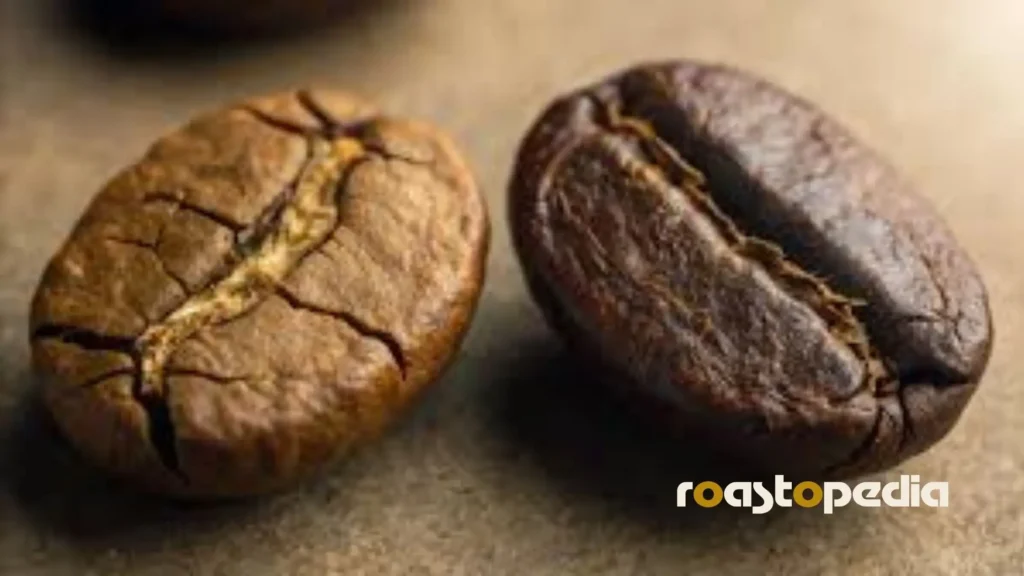
Second Crack is the second phase of bean roasting after the initial crack, often referred to as First Crack. Identification of the Second Crack as a specific roasting milestone emerged alongside the industrialization of coffee production in the nineteenth century.
Early roasters relied on these acoustic signals to navigate the narrow thermal window between a dark roast and a total batch failure. The ability to distinguish between the two cracks allowed for the first standardized roast degree classifications in the global market.
Jabez Burns integrated acoustic monitoring as a primary safety and quality control measure in his mid-nineteenth-century roasting designs. His patented double-jacketed drum systems were designed to dampen mechanical noise, allowing roasters to hear the subtle snaps of the beans more clearly. This focus on sensory feedback was critical for the reliable production of consistent dark-roast varieties for the expanding American market.
Subsequent developments in the early twentieth century focused on the automated detection of these acoustic markers through vibration sensors and microphones. These systems aimed to reduce the reliance on human hearing in loud, high-capacity industrial environments. While innovative, many of these early automated detection patents struggled with the complex background noise of the roasting factory.
Modern precision roasting software now utilizes advanced digital signal processing to isolate the frequency of the second crack from mechanical interference. These systems provide roasters with a visual representation of the crack’s intensity and duration in real-time. This technological evolution has transformed the second crack from a subjective sensory cue into a quantifiable data point for industrial quality assurance.
Functional Evolution
Management of the second crack has evolved from a simple endpoint indicator into a sophisticated tool for precision flavor modulation. Early roasters often used the onset of the second crack as an immediate signal to discharge the beans into the cooling tray. This practice allowed for the production of dark roasts without risking the total carbonization of the entire batch.
Functional evolution of the roasting cycle introduced the concept of “roast development” beyond the initial snap of the second crack. Roasters began to realize that the duration and intensity of the thermal application during this phase could alter the coffee’s mouthfeel and body. This understanding allowed for the creation of nuanced dark profiles, such as the French and Italian roasts.
Digital integration has further refined the functional control over this late-stage thermal transition. Roasters can now manipulate the Rate of Rise during the second crack to influence the migration of internal oils to the bean’s surface. This precision allows for the customization of the bean’s appearance and the stability of its eventual sensory profile.
Contemporary roasting facilities also utilize specific airflow configurations to manage the smoke and volatile organic compounds released during this phase. High-velocity exhaust systems are essential for preventing the beans from absorbing undesirable smoky flavors during the intense carbonization process. This functional refinement ensures a clean and transparent cup even at very high roast degrees.
Apparatus Description
The primary mechanical apparatus used to monitor and manage the second crack is the precision-controlled drum roaster. These machines feature heavy-duty burners and high-performance fans that allow for rapid thermal adjustments during the most volatile stages of the roast. The thermal mass of the drum is critical for maintaining stability as the beans transition into an exothermic state.
Acoustic monitoring systems are often integrated into the roaster’s control panel to provide a visual and auditory representation of the bean’s progress. These sensors are typically mounted near the discharge door to capture the highest concentration of acoustic energy. The data from these systems is recorded on the roast profile to ensure the repeatability of the specific dark-roast curve.
High-capacity cooling trays are the secondary essential apparatus for managing the conclusion of the second crack. These trays feature powerful centrifugal fans that pull ambient air through the roasted beans at high velocity. The rapid arrest of the roasting process is required to prevent the beans from over-carbonizing due to their high residual thermal energy.
Exhaust scrubbers and afterburners are also critical components of the apparatus for facilities producing frequent dark roasts. These systems neutralize the heavy smoke and volatile gases that are characteristic of the second crack’s intense chemical activity. Maintaining a clean exhaust stream is necessary for complying with environmental regulations in urban production centers.
Extraction Narrative
Second crack significantly alters the physical and chemical dynamics of the brewing process by creating a highly porous and brittle bean structure. The structural collapse of the cellulose matrix allows for the immediate and total penetration of brewing water into the internal cells. This rapid saturation leads to a fast extraction of soluble solids and oils during the initial stages of the brew.
The presence of surface oils on second-crack beans creates a hydrophobic barrier that can initially repel brewing water in certain immersion methods. This characteristic necessitates a more aggressive stirring or agitation protocol to ensure a uniform extraction. Once the barrier is overcome, the high porosity of the bean facilitates a heavy-bodied and intense cup profile.
Carbonization of the sugars and organic acids during this phase results in a significant reduction in perceived acidity in the final beverage. The extraction focus shifts from delicate floral notes to the heavy, bittersweet compounds produced by the intense thermal energy. Understanding this narrative is essential for selecting the appropriate grind size and water temperature for dark-roast varieties.
The mechanical fragility of the bean after the second crack also influences the particle distribution produced by the coffee grinder. These beans are prone to fracturing into a high concentration of “fines” or microscopic particles during the grinding process. Professional baristas must adjust their equipment to manage these fines and prevent the over-extraction of bitter and smoky attributes.
Sensory Output
Sensory output of the second crack is dominated by the presence of carbonized sugars and heterocyclic compounds that produce a smoky profile. The heavy body and oily mouthfeel are a result of the internal lipids migrating to the surface during the structural collapse. These attributes are highly valued in traditional espresso blends and milk-based coffee beverages.
Acidity is almost entirely consumed during this phase, as the citric and malic acids undergo total thermal decomposition. The flavor profile transitions from the intrinsic origin characteristics toward the extrinsic traits of the roasting process itself. This shift results in a more uniform and consistent flavor across different coffee varieties at this roast level.
Bitterness becomes the dominant sensory marker as the complex carbohydrates are reduced to simpler, carbonized forms. These bitter compounds provide the characteristic “roast” flavor that defines dark coffee profiles around the world. Achieving the correct balance of this bitterness requires a precise and immediate cooling of the beans following the second crack.
Tasters often use terms like “charcoal,” “dark chocolate,” and “tobacco” to describe the sensory profile achieved at this stage. Identifying the threshold between a desirable dark roast and an over-carbonized batch is a critical skill for any professional coffee taster. Maintaining this sensory standard is the primary objective of any specialty dark-roast program.
Notable Facts
Coffee beans experience a significant increase in internal pressure during the second crack, often exceeding the atmospheric pressure by several bars. This pressure is what forces the carbon dioxide and steam through the weakened cellulose walls to create the audible snapping sound. This physical transition marks the absolute limit of the bean’s structural integrity.
Volume expansion during the second crack can reach over one hundred percent of the original green bean size. This dramatic swelling creates a highly porous honeycomb structure that is essential for the rapid release of gases during the subsequent degassing phase. The physical density of the bean is at its lowest point immediately following this thermal transition.
Surface oils that appear during the second crack are a mixture of complex lipids and essential oils that were previously trapped within the internal cells. These oils act as a natural sealant but are also highly prone to oxidation when exposed to the air. Proper nitrogen-flushed packaging is required to protect these delicate oils from becoming rancid during storage.
Industrial roasters often refer to the second crack as the “danger zone” due to the high risk of a spontaneous batch fire. The beans transition into a fully exothermic state where they generate their own heat, leading to a rapid and uncontrollable temperature spike. Professional roasters must be prepared to discharge and quench the batch within seconds of the crack’s peak.
Historical Variations
Historical roasting traditions in Southern Europe and the Middle East have long prioritized the intense flavor profiles produced by the second crack. The “Italian Roast” became a global standard for espresso production based on the heavy body and low acidity achieved at this stage. These regional variations were often driven by the need to create a consistent flavor from lower-quality green coffee.
During the eighteenth and nineteenth centuries, second-crack roasting was often performed over open fires using heavy cast-iron pots. This method required constant and vigorous agitation to prevent the oily beans from catching fire. The smoky aromatics produced by these early domestic methods were an integral part of the traditional coffee experience.
The rise of the “Second Wave” of coffee in the United States during the 1960s was largely defined by a return to darker roast profiles. Roasters began to experiment with the nuances of the second crack to differentiate their products from the stale, commodity-grade coffee of the era. This historical shift laid the groundwork for the modern specialty coffee industry’s focus on roast degree.
Modern specialty roasting has seen a shift toward “Omni-roasting,” where roasters attempt to preserve origin character while still reaching the early stages of the second crack. This balanced approach requires a deep understanding of the thermal kinetics involved in the final seconds of the roast. This historical evolution reflects the industry’s ongoing search for the perfect balance of craft and science.
Thermal Kinetics and Exothermic Activity
Transition into the second crack marks a significant shift in the thermal kinetics of the roasting bean as it enters an exothermic state. During the earlier stages of the roast, the beans act as a thermal sink, absorbing energy from the drum and the moving air. Once the internal temperature reaches a specific threshold, the chemical reactions themselves begin to generate heat.
Exothermic activity can cause the Rate of Rise (RoR) to accelerate rapidly, making the roast difficult to control in its final seconds. Roasters must anticipate this thermal “flick” by reducing the burner intensity well before the second crack begins. Failing to manage this surge in energy can result in an over-roasted batch with a scorched and bitter profile.
Thermal conductivity of the bean is at its highest point during this phase due to the near-total loss of internal moisture. This allows for the rapid and uniform penetration of heat through the entire structure of the coffee seed. The efficiency of this energy transfer is what facilitates the widespread carbonization of the cellulose matrix.
Precision thermal monitoring is required to track the bean’s journey through this volatile stage of the cycle. Small variations in the duration of the second crack can result in significant changes to the final chemical composition. Mastering these late-stage kinetics is the hallmark of a highly skilled and technically proficient industrial roaster.
Structural Failure and Oil Migration
Structural failure of the cellulose matrix is the primary physical cause of the acoustic snap identified as the second crack. As the beans expand and carbonize, the rigid cell walls become increasingly brittle and unable to contain the internal gas pressure. The resulting fractures allow for the immediate release of trapped carbon dioxide and essential oils.
Oil migration occurs as the internal lipids are squeezed through the microscopic fissures in the cell walls to the surface of the bean. This process gives dark-roast coffee its characteristic shiny and oily appearance that is absent in lighter roasts. The presence of these oils is a reliable indicator that the bean has undergone significant structural transformation.
Surface oils are highly volatile and contribute significantly to the initial aromatic intensity of freshly roasted dark coffee. However, they also increase the bean’s surface area and its vulnerability to oxidation and staling. Protecting these surface oils through proper storage and packaging is a primary concern for high-quality dark-roast producers.
Scientific analysis of this oil migration has shown that it continues for several hours following the discharge of the beans. This post-roast development is why many dark roasts appear significantly oilier after a few days of rest. Understanding this structural failure is essential for optimizing the timing of the roasting and packaging cycles.
Chemical Decomposition and Carbonization
Carbonization is the dominant chemical process during the second crack, as the complex organic molecules are reduced to elemental carbon. This process consumes the remaining sugars and organic acids that were produced during the Maillard reaction and caramelization phases. The result is a significant loss of molecular complexity in favor of a simpler, more intense bittersweet profile.
Thermal decomposition also affects the nitrogen-containing compounds within the bean, leading to the formation of smoky and charred aromatics. These volatile markers are what define the sensory experience of a dark roast and distinguish it from lighter varieties. The intensity of this decomposition depends on the peak temperature reached during the second crack.
Acrylamide formation is often higher in dark roasts that have undergone extensive carbonization and thermal processing. Scientific research continues to explore the relationship between roast degree and the concentration of these specific chemical markers. Managing this chemical output is an increasingly important part of industrial food safety and quality control.
Loss of volatile aromatics is a common byproduct of the intense heat and chemical activity of the second crack. Many of the delicate floral and fruity aldehydes are destroyed or masked by the heavy smoky compounds produced during this stage. Roasters must carefully weigh the benefits of increased body and mouthfeel against the loss of intrinsic origin flavor.
Industrial Scale Safety Protocols
Safety protocols for managing the second crack at an industrial scale focus on fire prevention and the control of hazardous emissions. Large-capacity roasters must be equipped with automatic water-mist systems to quench the beans in the event of a spontaneous ignition. These systems are critical for protecting the facility and the staff during high-temperature production cycles.
Exhaust flues must be inspected and cleaned daily to prevent the accumulation of flammable oils and chaff. The high concentration of volatile gases released during the second crack increases the risk of a duct fire if not properly managed. Industrial facilities often utilize thermal sensors within the flues to provide early warning of a potential ignition.
Emission control technology, such as catalytic oxidizers, is required to neutralize the heavy smoke produced during this phase. These systems burn off the volatile organic compounds and particulate matter before the exhaust is released into the atmosphere. Maintaining these systems is essential for meeting environmental regulations and being a responsible corporate citizen.
Staff training programs emphasize the importance of constant monitoring during the most volatile stages of the roast. A roaster must be able to recognize the sensory and technical signs of a batch entering the “danger zone” of over-carbonization. This focus on safety and precision is what allows for the reliable production of high-quality dark coffee on a global scale.