
The term roaster has two meanings: it can refer to the specialized machine used to roast green coffee beans or to the professional responsible for managing and controlling the roasting process.
Roasting represents the most significant chemical transition in the entire coffee production chain. It describes the precise application of thermal energy to transform raw, grassy seeds into complex, aromatic coffee beans.
Origin & History
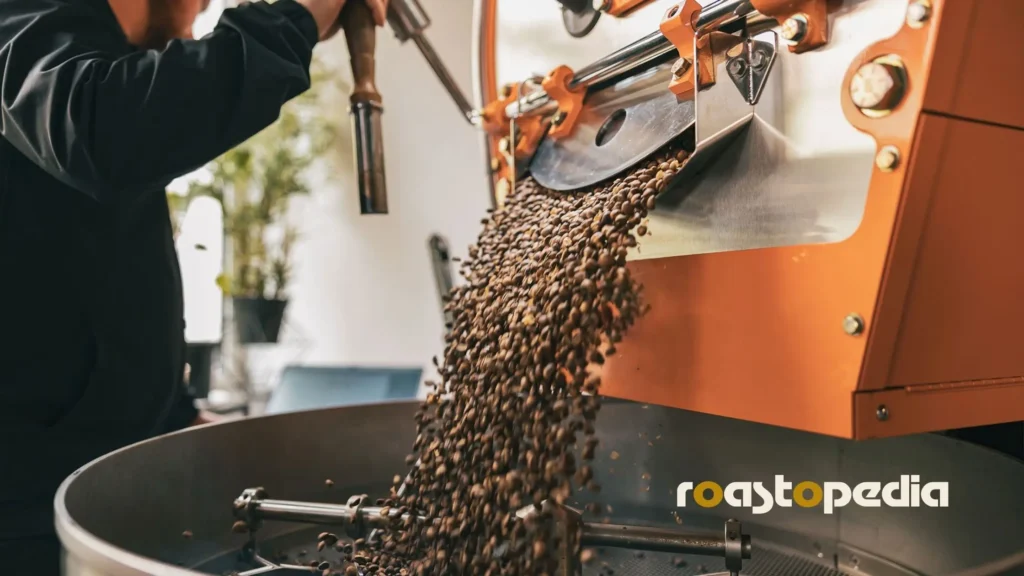
Roasting began as a rudimentary culinary practice in the mountain forests of Ethiopia and the terraced farms of Yemen. Early practitioners used thin, perforated metal pans or ceramic vessels over open wood fires to manually agitate the seeds. These simple tools required constant attention to prevent scorching while ensuring the internal temperature reached the required threshold for flavor development.
Cylindrical metal roasters appeared in North Africa during the seventeenth century to provide more even heat distribution and increased batch capacity. These hand-cranked devices allowed for continuous rotation over a heat source, which significantly improved the consistency of the finished product.
Such designs eventually spread to Europe and the Americas as global coffee consumption entered a period of rapid expansion.
Industrialization in the nineteenth century triggered the development of large-scale mechanical roasters that utilized coal and later gas for fuel. Richard Evans patented the first commercial drum roaster in the United Kingdom in 1824, introducing the concept of sampling during the process.
Modern specialty roasting now relies on advanced software and precision-engineered machinery to replicate complex profiles with scientific accuracy.
Etymology
The word roaster traces its roots back to the Old High German ‘rosten,’ which refers to cooking on a grate or gridiron. This historical association with open-fire cooking highlights the traditional nature of the roasting process before it became a specialized industrial craft. It distinguishes the targeted application of dry heat from other culinary techniques like boiling or steaming.
English adoption of the term within a coffee context solidified as the professional roastery became a distinct business entity in the Victorian era.
It serves as both a noun for the machine and a title for the human operator who controls the thermal variables. This dual identity underscores the interconnected relationship between mechanical engineering and artisanal human skill.
Technical nomenclature often differentiates between the roaster as an entity and the roasting profile, which represents the data generated during a specific batch.
Understanding these distinctions is essential for navigating the professional literature of the specialty coffee industry. The term remains the most foundational label in the lexicon of coffee production and flavor chemistry.
Professional Evolution
Technical standards for the role shifted dramatically as the specialty coffee movement introduced a rigorous analytical framework to the craft. Roasters moved from relying solely on visual cues and olfactory feedback to using real-time data logging and chemical analysis. This transition has elevated the position from a transitional service job to a respected scientific career path.
Organizations like the Specialty Coffee Association have institutionalized professional standards through certification programs and roasting competitions. These events require competitors to demonstrate a mastery of thermodynamics, green coffee botany, and sensory evaluation.
Such high-level testing has fostered a global community of experts dedicated to pushing the boundaries of coffee quality.
Modern roasters often act as the primary link between the coffee producer and the final consumer through direct trade relationships. They travel to the origin to select specific lots and provide feedback to farmers regarding harvest quality and processing methods. This expanded role ensures that the entire supply chain benefits from the roaster’s technical expertise and market insight.
Engineering & Mechanics
Drum roasters remain the most common mechanical configuration in the professional industry due to their excellent heat retention and conductive transfer. These machines feature a rotating horizontal cylinder that agitates the coffee seeds while a heat source provides thermal energy through the metal walls. This method combines conduction, convection, and radiation to develop a complex and balanced flavor profile.
Fluid bed roasters offer an alternative approach by using a high-velocity stream of hot air to levitate and roast the coffee seeds. This purely convective method allows for faster roasting times and often results in a cleaner, more acidic taste in the finished cup.
Many modern practitioners prefer this design for its energy efficiency and its ability to highlight the delicate floral notes of certain cultivars.
Hybrid systems have emerged that combine the conductive benefits of a drum with the convective precision of an air roaster. These advanced machines utilize external heat generators and sophisticated airflow controls to manage the rate of rise with extreme accuracy.
Such engineering feats allow for the creation of unique profiles that were previously impossible to achieve with traditional hardware.
Technical Responsibilities
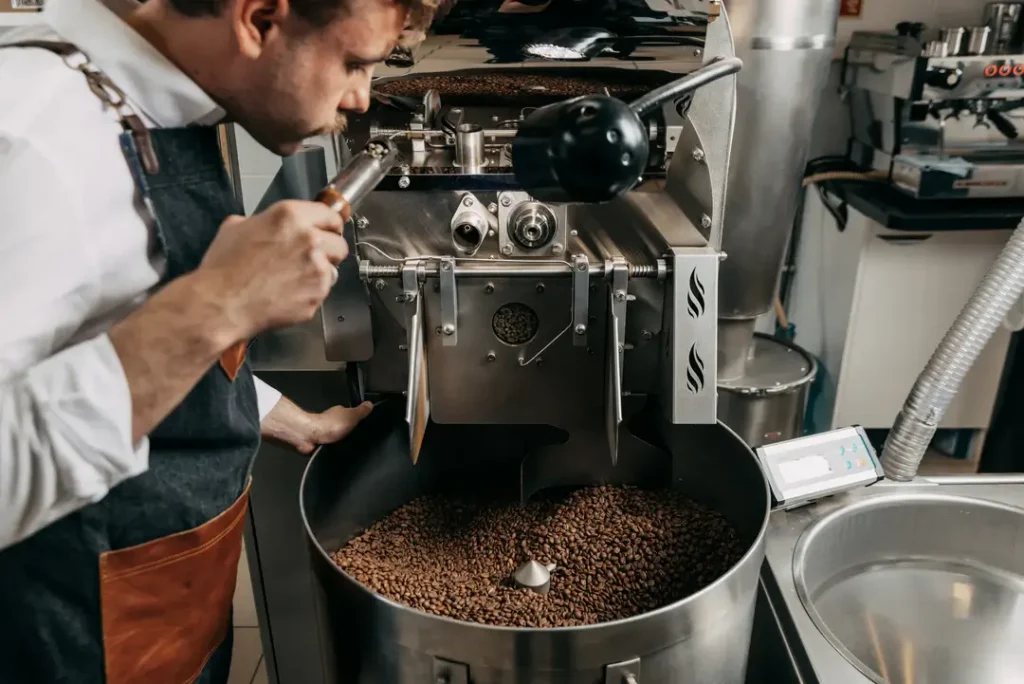
Precision in temperature management is the roaster’s primary duty during the initial stages of the thermal cycle.
The operator must calculate the charge temperature of the machine based on the density and moisture content of the green seeds. This initial calculation determines the trajectory of the entire roast and the eventual development of the flavor compounds.
Monitoring the rate of rise requires constant adjustment of the gas pressure and airflow to maintain the desired roasting curve.
Roasters look for specific milestones, such as the Maillard reaction and the first crack, to guide their decisions during the process. These critical transition points signal the onset of the chemical changes that produce the characteristic aromas of roasted coffee.
Maintenance of the roasting equipment is a non-negotiable part of the professional workflow to ensure safety and quality. Regular cleaning of the chaff collector and the cooling tray prevents the buildup of flammable materials and rancid oils.
A well-maintained machine is essential for achieving the repeatability and consistency required in a commercial roastery.
Sensory Requirements
Palate development is a foundational requirement for any roaster aspiring to maintain a high standard of quality control. Professionals must be able to identify specific flavor defects, such as baked or tipped beans, which indicate errors in the roasting profile. They use this sensory feedback to make real-time adjustments to their brewing recipes and mechanical settings.
Sensory evaluation through the process of cupping allows the roaster to verify that the target profile was successfully achieved. This rigorous tasting protocol requires the identification of subtle notes such as chocolate, fruit, or spices that define a specific origin. Roasters use these evaluations to refine their techniques and communicate the value of their product to customers.
Acidity and sweetness must be carefully balanced through the precise timing of the roast’s final stages. A roaster learns to recognize the olfactory shifts that signal the transition from bright acids to deep, caramelized sugars. This sensitivity allows them to maximize the unique characteristics of every coffee they encounter in their daily work.
Notable Facts
First crack is an audible phenomenon that occurs when the moisture inside the coffee seed turns to steam and ruptures the cell structure. This event marks the beginning of the light roast stage and is a critical reference point for all professional roasting profiles. Roasters use this sound to time the development phase of the roast with extreme precision.
Pyrolysis is the chemical decomposition of organic matter that begins as the coffee reaches temperatures above two hundred degrees Celsius. This exothermic reaction releases significant heat and is responsible for the creation of the complex oils and gases that define coffee’s aroma. Managing the speed of pyrolysis is the secret to achieving a balanced and lingering finish in the cup.
Weight loss during the roasting process typically ranges from twelve to twenty percent of the original green seed mass. This loss is primarily due to the evaporation of moisture and the release of carbon dioxide and other volatile organic compounds.
Roasters must account for this shrinkage when calculating the final cost and yield of their commercial production.
Related Concepts
Caramelization is the thermal degradation of sugars that occurs after the Maillard reaction has largely concluded. This process adds depth and body to the coffee while introducing notes of toffee, molasses, or dark chocolate. The roaster must time this transition carefully to avoid the onset of carbonization and unpleasant smoky flavors.
Quenching is the rapid cooling of the roasted beans using either air or a fine mist of water to halt the chemical reactions. This step is essential for preserving the delicate aromatic compounds and preventing the beans from continuing to roast from their internal heat. Proper cooling ensures that the flavor profile remains stable and exactly as the roaster intended.
Chaff is the papery outer skin of the coffee seed that is shed during the expansion of the roasting process. This material is highly flammable and must be carefully managed by the roaster’s internal filtration system. While it has no impact on the final flavor, its removal is essential for the safety and cleanliness of the roasting environment.