
Siphon, also known as vacuum coffee or vac pot coffee, is a manual brewing method that utilizes a dual-chambered glass apparatus and vapor pressure to facilitate a full-immersion extraction.
This coffee brew system produces an exceptionally clean and aromatic cup by pulling the finished beverage through a filter using a vacuum effect. It was originally developed in the early 19th century as European inventors sought a way to brew coffee without the bitterness of boiling.
Marie Fanny Amelne Massot, known professionally as Madame Vassieux, secured the most significant French patent for the double-globe design in 1841.
Her invention utilized a decorative metal frame to support the glass balloons and facilitate the movement of liquid via steam pressure. German inventor Loeff of Berlin had previously experimented with similar vacuum principles to automate the brewing process for high-end domestic use.
Japanese glass manufacturers significantly refined the apparatus in the early 20th century to enhance its thermal stability and aesthetic appeal. These refinements led to the modern tabletop versions that are frequently used in specialty cafes for ritualized coffee service.
The method remains a preferred choice for enthusiasts who value the precision of vacuum-assisted filtration and high-temperature extraction.
Functional Evolution
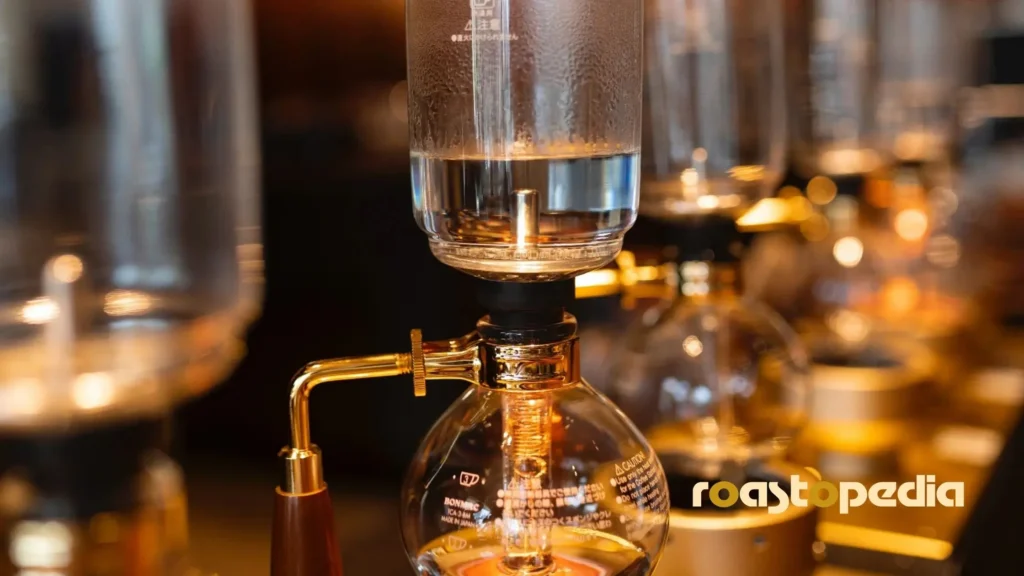
The evolution of the siphon moved from fragile Victorian showpieces toward more durable and standardized laboratory-grade glassware. Early models utilized alcohol lamps, which provided inconsistent heat and required constant manual adjustment by the operator.
Modern versions now employ butane burners or halogen beam heaters to provide instantaneous and highly controllable thermal energy.
The introduction of cloth and paper filter assemblies represented a major functional shift from the original ceramic or metal plates. These porous materials allowed for a much finer filtration of the grounds while maintaining a rapid flow rate during the drawdown phase.
The vacuum created during cooling ensures that the liquid is pulled through the filter with enough force to capture complex aromatics.
Advancements in borosilicate glass technology have allowed the apparatus to withstand the extreme temperature fluctuations inherent to the vacuum process. This material durability has transitioned the device from a dangerous novelty into a reliable instrument for professional sensory analysis.
Contemporary designs focus on ergonomic handles and secure gaskets to improve the safety and efficiency of the brewing cycle.
Apparatus Description
The primary assembly consists of a lower glass globe for water and an upper chamber featuring a long funnel neck. These two vessels are joined by a rubber or silicone gasket that creates an airtight seal during the heating phase. A filter assembly is secured at the base of the upper chamber to separate the grounds from the final beverage.
Heat sources vary from simple spirit lamps to sophisticated electric halogen heaters that sit directly beneath the lower globe. The lower chamber must be made of high-strength glass to endure the negative pressure generated as the steam condenses. An upper lid is typically included to preserve heat and prevent splashing during the intense agitation of the grounds.
Auxiliary tools for the method include a bamboo or plastic paddle for stirring and a dedicated stand for the upper chamber. The stand allows the user to safely rest the top vessel while the lower globe serves as a carafe for the finished brew. All components are designed to be modular to facilitate thorough cleaning and the replacement of individual glass parts.
Extraction Narrative
Extraction begins as the water in the lower globe reaches the boiling point and generates enough steam to create internal pressure. This force drives the heated water up through the funnel and into the upper chamber, where it meets the coffee grounds. The user then agitates the slurry to ensure that every particle is fully saturated for a uniform immersion phase.
Cooling of the lower chamber initiates the vacuum phase as the remaining vapor condenses back into liquid form. This sudden pressure drop creates a powerful suction that pulls the brewed coffee downward through the filtration medium. The speed of this drawdown is determined by the density of the coffee bed and the porosity of the filter.
Final separation is achieved as the last of the liquid exits the upper chamber with a characteristic bubbling sound. This indicates that the vacuum has been broken and the extraction cycle is officially complete for the user. The resulting beverage is exceptionally hot and free of any fine particles due to the intensity of the suction.
Sensory Output
Siphon extractions are celebrated for their intense aroma and a tea-like clarity that highlights delicate top flavor notes. The vacuum process ensures that the coffee is brewed at a very high and stable temperature for maximum solubility. This results in a vibrant cup that expresses the full complexity of high-altitude cultivars and light roast profiles.
Body and mouthfeel are typically light and refined because the tight filtration removes almost all insoluble solids. The use of a cloth filter specifically allows some oils to pass through while still maintaining a sediment-free finish. This balance provides a silky texture that distinguishes the method from heavier immersion styles like the French press.
Sweetness is often more pronounced in siphon coffee due to the efficient extraction of complex sugars at high temperatures. The quick drawdown phase prevents the development of the over-extracted bitterness that can occur in slower manual methods. Each sip offers a clean and lingering aftertaste that remains consistent as the beverage cools in the carafe.
Notable Facts
Siphon brewing was a centerpiece of the 19th-century “showpiece” dining culture in grand European hotels and royal courts. It was often operated at the table to provide guests with a theatrical display of scientific principles and aromatic luxury. The method was considered the height of technological sophistication before the rise of automatic electric brewers.
Halogen beam heaters used in modern siphon bars were originally developed for industrial and medical applications. These lamps provide a focused infrared heat that can be adjusted with extreme precision to control the turbulence of the brew. They have become the iconic visual symbol of high-end specialty coffee shops in Japan and the United States.
AeroPress inventor Alan Adler has frequently cited the vacuum principle as a core inspiration for his own manual brewing innovations. While the siphon uses cooling to create suction, the AeroPress uses manual force to achieve a similar pressurized filtration. Both methods aim to combine the depth of immersion with the clean finish of a filtered cup.
Historical Variations
Balance siphons represent a classic variation where the two chambers are mounted side-by-side on a weighted lever system. As water moves from one vessel to the other, the weight shift automatically extinguishes the heat source to trigger the vacuum. This ornate Victorian design remains a popular luxury gift for coffee collectors and history enthusiasts.
Tabletop vacuum pots became a staple of American kitchens during the mid-20th century before the dominance of drip machines. Brands like Silex and Sunbeam produced millions of these units made of durable Pyrex glass for everyday domestic use. These models featured simple electric bases and were designed for producing larger batches of coffee for families.
Contemporary glass artists have created limited-edition siphon sets that function as functional sculptures for modern interiors. These designs often experiment with unconventional shapes and integrated metalwork while maintaining the essential vacuum mechanics. They represent the modern intersection of specialty coffee culture and high-end industrial design.