
Batch brew, also known as drip or filter coffee, is a method of coffee preparation that utilizes an automated electric machine to heat water and distribute it over a large bed of grounds for high-volume extraction. This process relies on a gravity-fed drip system where liquid passes through a filter into a communal carafe or thermal server. It is primarily defined by its ability to produce multiple servings simultaneously while maintaining thermal consistency and standardized flow rates.
Early precursors to the modern automatic drip brewer appeared in the mid-20th century as industrial solutions for high-traffic environments. German entrepreneur Melitta Bentz revolutionized the filtration aspect in 1908, but automation arrived much later through American engineering. The first commercially successful automatic drip brewer for the home was the Mr. Coffee machine, which debuted in 1972.
Vincent Marotta and Samuel Glazer secured the initial market dominance by hiring former Westinghouse engineers to refine the heating elements. Their design successfully replaced the percolator, which often over-boiled the coffee and destroyed delicate flavor compounds. This shift toward automated precision ensured that water stayed within the ideal temperature range for extraction.
Bunn-O-Matic Corporation had previously introduced the first pour-over brewer for commercial use in 1963. This development established the foundation for the specialized spray-head technology found in modern batch brewers. Today, the Specialty Coffee Association (SCA) manages strict certification programs to ensure these machines meet professional standards.
Functional Evolution
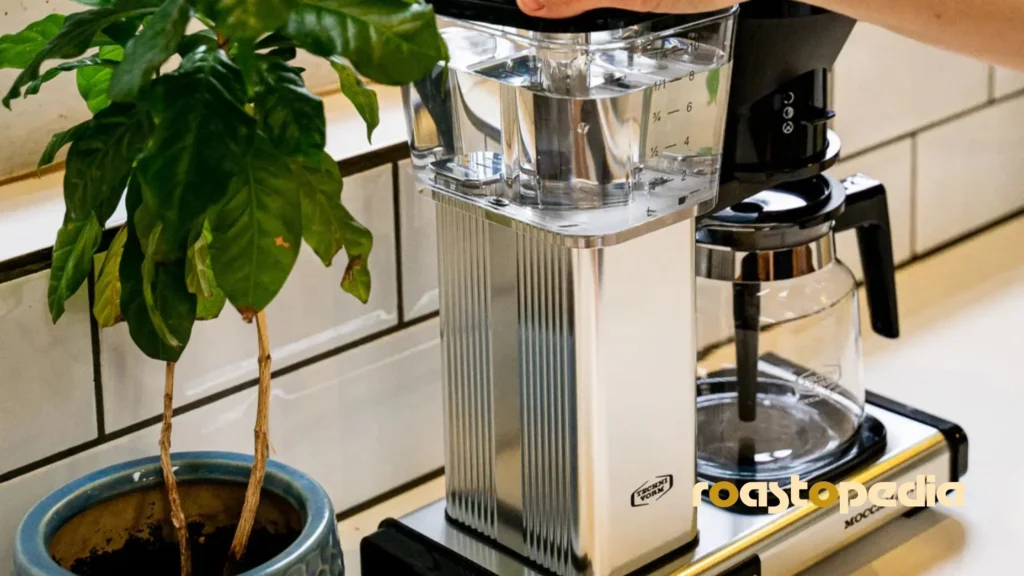
Initial designs for automated brewing were rudimentary and often failed to saturate the coffee bed evenly. Early machines utilized a simple single-hole outlet that created a deep channel through the center of the grounds. This mechanical flaw resulted in uneven extraction, where the center was over-extracted, and the edges remained dry.
Modern engineering solved this issue through the development of multi-hole showerheads and pulse-brewing technology. These components distribute water in a wide, rain-like pattern to ensure every particle of coffee is contacted at the same time. Electronic control boards now allow for pre-infusion cycles that bloom the coffee before the full brew begins.
Thermal management has seen the most significant progression within the category over the last few decades. Copper heating elements and sophisticated sensors now maintain a stable temperature between 92 and 96 degrees Celsius. This stability is critical for ensuring that the chemical extraction remains consistent from the first cup to the last.
Apparatus Description
The core assembly of a batch brewer includes a cold-water reservoir, an internal heating chamber, and a raised brew basket. These parts are typically housed within a durable plastic or stainless steel chassis designed for kitchen counter placement. A heating tube carries the water upward as it reaches the boiling point to initiate the drip cycle.
Brew baskets are usually shaped as flat-bottomed cylinders or cones to hold the paper or permanent mesh filter. The flat-bottom design is often preferred for batch brewing because it promotes a more uniform depth for the coffee bed. This geometry ensures that water travels a consistent distance through the grounds regardless of the volume.
High-quality models feature vacuum-insulated thermal carafes made of double-walled stainless steel to preserve heat without a hot plate. Glass carafes remain common but require an external heating element to maintain serving temperature after the brew. Modern showerheads are often removable to allow for the cleaning of mineral scale deposits that can obstruct flow.
Extraction Narrative
Extraction begins when the machine pumps cold water through the heating element and toward the spray-head assembly. This heated water is released in controlled bursts or a steady stream over the prepared coffee grounds. Gravity pulls the liquid downward, initiating a percolation process that washes soluble solids into the vessel below.
Aeration occurs as the water falls through the air between the showerhead and the coffee surface. This brief contact helps maintain an ideal temperature while ensuring the grounds are not disturbed by excessive force. The paper filter captures most of the insoluble fiber and oils, leaving a refined liquid in the carafe.
Final stages of the brew involve the drainage of the remaining liquid from the saturated grounds. Most professional machines incorporate a drip-stop mechanism to prevent messy spills when the carafe is removed. The result is a large volume of coffee with a highly uniform chemical composition and temperature profile.
Sensory Output
Batch brewing is prized for its ability to produce a clean, light-bodied cup with high flavor clarity. The use of paper filters effectively removes cafestol and other heavy oils that can cloud the palate. This results in a beverage that highlights the bright acidity and floral notes of the specific coffee origin.
Consistency is the primary sensory hallmark of a well-calibrated automatic drip machine. Because the machine controls the water temperature and flow rate, the flavor profile remains identical across multiple batches. This makes it the preferred choice for environments where a reliable and repeatable taste is required.
Temperature stability within the server ensures that the sensory experience does not degrade rapidly over time. Thermal carafes prevent the “cooked” or metallic taste often associated with coffee left on a glass-bottom hot plate. The coffee maintains its intended sweetness and balanced mouthfeel for up to several hours after extraction.
Notable Facts
The Mr. Coffee machine was famously endorsed by baseball legend Joe DiMaggio during its peak popularity in the 1970s. This celebrity partnership helped the brand become a household name across North America within a few years. It successfully transitioned the average consumer away from the stovetop percolators used by previous generations.
SCA certification requires a brewer to reach the proper water temperature within the first minute of the cycle. Many inexpensive consumer machines fail this test by starting the brew with water that is too cold. Professional batch brewers must also maintain a specific contact time to avoid over-extracting the grounds.
Large-scale commercial batch brewers can produce over 50 liters of coffee per hour in high-volume settings. These machines often feature dual heating tanks to ensure there is no recovery time between consecutive brewing cycles. They are the backbone of the global specialty coffee industry for providing efficient, high-quality service.
Historical Variations
Classic diner-style brewers utilized glass pots and constant hot plates to keep coffee ready for immediate service. This variation often led to the evaporation of water and a significant increase in bitterness over time. Many modern specialty cafes have moved away from this model in favor of air-pots and thermal servers.
Pod-based machines represent a contemporary variation of the batch brew concept for single servings. These devices use pre-packaged capsules to eliminate the need for manual measuring and grinding of coffee. While convenient, they often sacrifice the flavor depth and environmental sustainability of traditional whole-bean batch brewing.
Precision home brewers like the Moccamaster have maintained a consistent design since the late 1960s. These machines use a unique copper heating element and are handmade in the Netherlands to ensure longevity. They represent the high-end evolution of the method, focusing on build quality and thermal accuracy.