
Chicory coffee is a beverage made from the roasted, ground root of the chicory plant (Cichorium intybus), brewed in the same way as ground coffee to produce a dark, bitter drink. Despite its name and appearance, chicory coffee does not come from the coffee plant (genus Coffea) at all — it contains no coffee beans whatsoever.
Although Chicory Coffee doesn’t come from the coffee plant, we have decided to include it in this encyclopedia for two reasons: first, because it is widely marketed and consumed under the name “coffee,” making it a term readers are likely to search for in a coffee context; and second, because it functions as one of the most common naturally caffeine-free alternatives to real coffee, giving it direct relevance to anyone researching caffeine, decaf, and coffee substitutes. With that distinction in mind, here is what chicory coffee actually is, where it comes from, and what it does and doesn’t offer compared to true coffee.
What is Chicory Coffee?
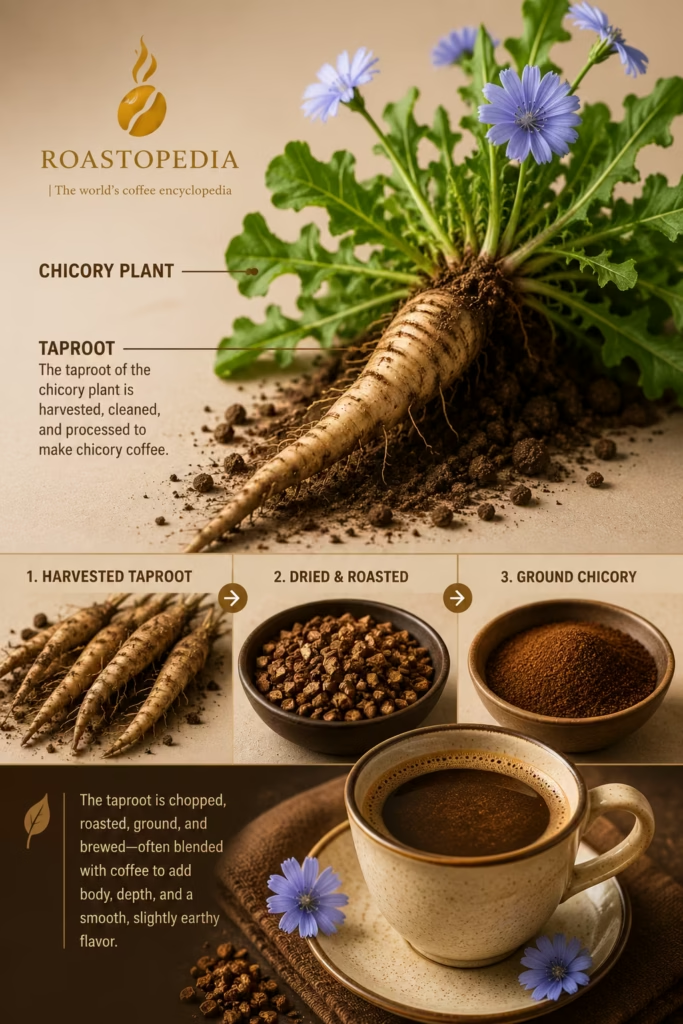
Chicory coffee is produced from the taproot of the chicory plant, a flowering member of the dandelion family that grows wild across Europe, North Africa, and parts of Asia, and has since naturalized in North America. To make the drink, the root is dug up, cleaned, chopped, and roasted until it darkens and develops a deep, coffee-like aroma, then ground into a powder that can be brewed like regular ground coffee — steeped, filtered, or pressed.
The practice of roasting chicory root as a coffee substitute dates back centuries in Europe, but it became especially entrenched in the United States through New Orleans. During the American Civil War, the Union naval blockade cut off the port city’s supply of imported coffee beans, and residents stretched what coffee they had by blending it with roasted chicory during the First Wave of coffee period.
The habit outlasted the shortage and became a lasting feature of New Orleans coffee culture, most visibly in the coffee-and-chicory blends served at cafés across the city, often prepared as a chicory-laced café au lait — a milk-and-coffee preparation in the same family as the cappuccino, with scalded milk in place of steamed and foamed milk.
Chicory coffee is sold in two main forms: as a 100% pure ground chicory product meant to be brewed on its own or added to a pot of regular coffee, and as a pre-blended coffee-and-chicory mix, where roasted chicory is combined directly with ground coffee beans.
In the pre-blended form, the drink still contains real coffee and therefore still contains caffeine; only a pure chicory brew is genuinely caffeine-free. Brewing it follows the same basic principles as brewing coffee — the dosing of grounds to water and the agitation of the grounds during steeping both shape the strength and body of the final cup, just as they do with a standard drip or French press brew.
What Does Chicory Coffee Taste Like?

Brewed chicory has a flavor often described as similar to coffee but distinct enough to notice immediately. It shares coffee’s dark color, bitterness, and roasted character, but it tends to taste woodier, earthier, and nuttier, often with a subtle natural sweetness that plain coffee lacks. Some drinkers also detect a faint chocolatey or caramelized note, a result of the sugars in the root breaking down during roasting.
Because chicory doesn’t share coffee’s full range of aromatic compounds, it generally comes across as a bit flatter and less complex on the palate, and it lacks the brighter acidity found in many coffees — a quality closer to what Roastopedia’s entry on astringency describes as mouthfeel rather than taste. When blended into a cup of real coffee, chicory tends to deepen the body and bitterness of the brew while smoothing out some of coffee’s acidity, and it can leave a slightly different aftertaste than coffee brewed on its own — generally described as more mellow and less sharp.
Does Chicory Coffee Have Caffeine?
Unlike coffee drink that contains caffeine, pure chicory coffee is naturally caffeine-free. Chicory root contains no caffeine of its own, so a cup brewed from 100% roasted chicory will not deliver any stimulant effect, regardless of how strong or dark the brew is made. This is precisely why chicory has long been used as a coffee stretcher and, more recently, as a coffee-flavored option for people avoiding caffeine altogether, including pregnant individuals, children, and anyone sensitive to its effects.
The caveat is that many commercial “coffee and chicory” products are blends, meaning they still contain some proportion of actual roasted coffee and therefore still contain caffeine, just less of it per cup than a full-strength coffee. Anyone specifically seeking a caffeine-free cup should check the label to confirm whether they’re buying pure chicory or a coffee-chicory blend.
Chicory Coffee Benefits
Chicory root has a long history of traditional and folk use, and modern research on the chicory plant itself (rather than the brewed root beverage specifically) points to a few areas of potential benefit:
- Inulin and prebiotic fiber. Chicory root is one of the richest natural sources of inulin, a soluble fiber that acts as a prebiotic, feeding beneficial gut bacteria. This is the most well-supported nutritional feature of the root, though much of the inulin research involves chicory root fiber as a food additive rather than the brewed beverage.
- Antioxidant compounds. Roasted chicory contains polyphenols and other antioxidant compounds, similar in category (though not identical in profile) to those found in roasted coffee.
- Caffeine-free alternative. For people cutting back on caffeine, chicory offers a way to keep the ritual and general flavor profile of a coffee-like hot beverage without the stimulant effect or the jitters, sleep disruption, or anxiety that caffeine can cause in sensitive individuals.
- Traditional digestive use. Chicory has long been used in folk herbalism as a bitter to support digestion, and some traditional practices credit it with mild liver-supportive properties, though robust clinical evidence in humans specifically for the roasted, brewed beverage is limited.
As with most traditional remedies, these benefits are considered generally modest, and much of the supporting research focuses on concentrated chicory extracts or isolated inulin rather than on a cup of brewed chicory coffee itself.
Chicory Coffee Side Effects
Chicory coffee is generally considered safe for most people in normal culinary amounts, but it does carry a few notable considerations:
- Allergic reactions. Chicory belongs to the Asteraceae (daisy/ragweed) plant family. People with allergies to ragweed, marigolds, daisies, or related plants may experience an allergic reaction to chicory.
- Digestive discomfort. The inulin content that makes chicory a beneficial prebiotic can also cause bloating, gas, or cramping, especially in people with IBS or sensitivity to FODMAPs, particularly when consumed in larger amounts than the body is used to.
- Gallstone risk. Some traditional sources suggest chicory can stimulate bile production, which may not be advisable for individuals with gallstones or bile duct obstructions without medical guidance.
- Pregnancy caution. While chicory coffee’s lack of caffeine makes it appealing during pregnancy, some sources advise caution with concentrated chicory root products during pregnancy, so it’s worth checking with a doctor before making it a daily habit.
- Medication interactions. Because of its potential effects on blood sugar and bile flow, chicory may interact with certain medications; anyone on prescription medication should check with a healthcare provider before regularly drinking chicory coffee in large quantities.
NB: As always, this is general reference information rather than medical advice, and anyone with existing health conditions should consult a healthcare professional before making chicory a regular part of their diet.
References
- WebMD. “Chicory: Overview, Uses, Side Effects, Precautions, Interactions, Dosing and Reviews.” WebMD Vitamins & Supplements.
- Pregnancy Food Checker. “Is Chicory Root Safe During Pregnancy? Tea, Extracts and More.”
- The Prenatal Nutrition Library. “Chicory Root in Pregnancy: Safety, Benefits, and When to Be Cautious.”
- Wyndly. “Chicory Root Allergy: Recognizing Symptoms and Treatment Options.”
- Ključevšek, U. et al. (2025). “Allergic Potential of Medicinal Plants From the Asteraceae Family.” Health Science Reports, Wiley Online Library.
- Cadot, P. et al. “Oral Allergy Syndrome to Chicory Associated with Birch Pollen Allergy.”
- Boinbaser, L. et al. “Systematic Review: Prebiotic Effect Evidenced for Chicory Root Fibres.” BENEO Research Summary.
- Medical News Today. “Inulin (a Prebiotic Fiber): Health Benefits and Risks.”
- Bioactive Properties of Instant Chicory Melanoidins and Their Relevance as Health Promoting Food Ingredients. PMC, National Institutes of Health.
- Šeruga, M. et al. “Antioxidant Efficiency of Polyphenols From Coffee and Coffee Substitutes: Electrochemical Versus Spectrophotometric Approach.” Journal of Food Science and Technology.