
Key Highlights
Common name: Yuzu Coffee
Primary ingredient: Citrus junos (Yuzu) juice or zest combined with brewed coffee
Origin of yuzu fruit: Central China; introduced to Japan during the Nara Period (710–794 CE)
Scientific name: Citrus × junos Siebold ex Yu.Tanaka
Family: Rutaceae
Beverage category: Specialty coffee / Flavored coffee
Primary markets: Japan, South Korea, United States, Australia, United Kingdom

Overview
Yuzu coffee is Japan’s specialty beverage that combines brewed coffee with yuzu (Citrus × junos), an East Asian citrus fruit known for its highly distinctive aromatic profile.
The fruit’s juice, zest, or processed derivatives are introduced into various coffee preparations to produce a drink characterized by the simultaneous presence of coffee’s natural bitterness and the tart, floral, and complex citrus notes of yuzu.
The beverage exists across multiple formats, including hot espresso-based drinks, cold brew, nitro cold brew, sparkling coffee, and ready-to-drink canned products.
As of the mid-2020s, yuzu coffee occupies a recognized position within the global specialty coffee industry. It has appeared on menus at independent specialty cafes and has been adopted by commercial coffee enterprises and consumer packaged goods manufacturers in North America, Europe, and Asia-Pacific markets.
The Yuzu Fruit
Yuzu is classified under the binomial name Citrus × junos Siebold ex Yu.Tanaka. It belongs to the order Sapindales, family Rutaceae, and genus Citrus. The species is a hybrid, believed to have originated as a natural cross between the Ichang papeda (Citrus ichangensis) and a mandarin orange (Citrus reticulata).
Its full scientific classification places it within the kingdom Plantae, the clade Tracheophytes, the clade Angiosperms, the clade Eudicots, and the clade Rosids.
Historical Origins and Geographic Distribution
Yuzu originated in the Yangtze River region of central China. The fruit was introduced to the Korean Peninsula and the Japanese archipelago during the Nara Period, which spanned 710 to 794 CE. Over subsequent centuries, Japan and South Korea became the two most prominent cultivators and exporters of the fruit.
In more recent decades, yuzu cultivation has expanded beyond East Asia to include New Zealand, Australia, Spain, Italy, and France, reflecting growing global demand in the culinary and beverage industries.
The yuzu tree is a small, upright shrub that requires a maturation period of approximately ten years from seed before it produces ripe fruit. Harvests typically occur in autumn, from October through the beginning of winter, though unripe green yuzu, known in Japanese as ao-yuzu, may be harvested as early as July.
The tree is notably cold-resistant relative to most citrus species, enabling its cultivation in cooler climates such as the Tohoku region of Japan.
Physical Characteristics
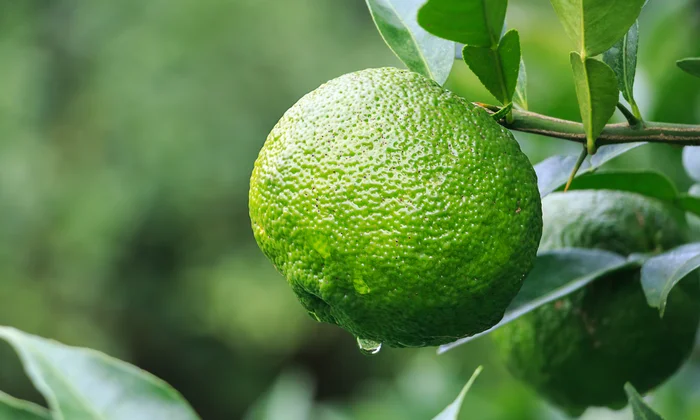
The yuzu fruit is small and spherical, with a diameter generally smaller than that of a standard lemon. Its skin is thick and knobby in texture, and the rind contains aromatic oils responsible for the fruit’s characteristic fragrance.
The pulp of the yuzu is highly acidic, containing approximately 4.5 percent citric acid by weight, a concentration approximately three times greater than that found in a conventional lemon.
Only approximately 18% of the fruit by weight constitutes extractable juice, making yuzu juice a relatively scarce and expensive commodity. The rind and zest are consequently used more widely in culinary and beverage applications than the juice alone.
Flavor Profile
The flavor of yuzu is described as occupying a position among grapefruit, mandarin orange, and lime. The juice is sour, tart, and bitter, with floral and aromatic overtones.
The rind imparts additional complexity through its essential oil content. This layered sensory character distinguishes yuzu from simpler citrus alternatives and is a primary factor in its adoption as a specialty flavoring agent in the beverage industry.
Chemical and Nutritional Composition
Research published in the Journal of Agricultural and Food Chemistry in 2004 documented that 100 grams of fresh yuzu contains a mean of 90.4 milligrams of vitamin C, 63.8 milligrams of naringin, and 65.7 milligrams of hesperidin.
The antioxidant activity of the fruit was found to be higher in the peel than in the flesh, and the vitamin C content of the peel and flesh both increased with ripening. The citric acid content of yuzu juice has been measured at approximately 44.7 grams per liter, substantially higher than that of most other citrus fruits.
Yuzu also contains the flavanones naringenin and hesperetin, as well as limonoid compounds including limonin and nomilin, which are concentrated in the seeds.
Coffee Preparations Incorporating Yuzu

There are five known ways of preparing Yuzu Coffee
Yuzu Cold Brew
Yuzu cold brew is prepared by combining yuzu juice, zest, or a yuzu-based syrup with cold brew coffee. Cold brew coffee is itself produced by slowly infusing coarsely ground coffee beans in cold water for a period of twelve to twenty-four hours, a method known in the specialty coffee sector as slow coffee.
The extended steeping time at low temperature reduces the extraction of certain bitter compounds, resulting in a coffee that is smoother and lower in acidity than conventionally brewed coffee.
The incorporation of yuzu adds a citrus element that contrasts with the inherent richness of cold brew. Yuzu cold brew has appeared on specialty coffee menus internationally, including in Australia and the United Kingdom.
Yuzu Nitro Cold Brew
Yuzu nitro cold brew is a variant in which nitrogen gas is infused into cold brew coffee before dispensing it through a pressurized tap. The nitrogen infusion creates a dense, creamy foam on the surface of the beverage and imparts a smooth, velvety mouthfeel without the addition of dairy or other thickening agents.
Yuzu juice or yuzu syrup is incorporated into the base before nitrogenation or introduced as a finishing element. The visual presentation of nitro cold brew, described by some operators as resembling liquid gold when combined with yuzu, has contributed to its appeal as a signature menu item in specialty coffee establishments.
Yuzu Espresso Tonic
The yuzu espresso tonic is a preparation consisting of a double shot of espresso poured over ice and tonic water, with yuzu juice or yuzu cordial added as a flavoring component. The beverage builds on the established espresso tonic format, which became a recurring feature on specialty coffee shop menus beginning in the early 2010s and has demonstrated consistent resurgence in warmer seasons.
The addition of yuzu introduces a botanical citrus note that complements the quinine bitterness of tonic water and the roasted character of espresso.
Yuzu Iced Coffee Soda
Yuzu iced coffee soda is a carbonated coffee preparation that combines brewed coffee or espresso with sparkling water and yuzu flavoring. The format is analogous to other carbonated specialty coffee drinks and is distinguished by the use of yuzu as its primary citrus component. The preparation requires minimal ingredients and has been documented as a home-preparation format as well as a commercial offering.
Commercial Ready-to-Drink Products
The yuzu coffee category has generated commercially ready-to-drink products in the canned and bottled segments. One documented example is a sparkling cold brew coffee product incorporating yuzu citrus flavoring, for which nutritional data indicates a caloric content of 80 kilocalories per can, 19 grams of carbohydrates, 15 grams of sugar, 25 milligrams of sodium, and 250 milligrams of potassium.
Major coffee manufacturers have also entered the yuzu coffee space: Nespresso released a limited-edition Vertuo-compatible capsule designated as Yuzu Vanilla Over Ice, which combined light-roast Arabica beans from Brazil and Colombia with yuzu and vanilla flavor compounds.
Commercial and Market Development
Yuzu coffee has transformed over the years into different variations, namely:
Specialty Coffee Sector Adoption
Yuzu entered the specialty coffee sector as part of a broader trend toward the incorporation of Asian citrus ingredients into Western coffee formats. Its adoption reflects the specialty coffee industry’s orientation toward novel flavor profiles, ingredient provenance, and premium positioning.
The fruit’s established reputation in the gourmet food world, particularly in East Asian culinary traditions, facilitated its crossover into high-end beverage contexts. Independent cafes in Australia, the United Kingdom, and the United States documented yuzu coffee offerings from approximately 2022 onward.
Product Innovation and Limited Editions
The limited-edition commercial model has been applied to yuzu coffee products, including Nespresso’s seasonal Yuzu Vanilla Over Ice capsule, which was positioned as a summer release. This approach reflects a broader trend in specialty coffee retail toward scarcity-driven product cycles and collectible seasonal offerings.
The limited-edition format has been identified by market analysts as a mechanism for shifting consumer expectations and expanding the addressable market for novel coffee formats.
Consumer Market Trends
Growth in yuzu coffee consumption is associated with increased global consumer interest in functional and experiential beverages, growing familiarity with East Asian ingredients in Western markets, and the sustained expansion of the cold coffee segment.
Yuzu’s dual positioning as a gourmet ingredient with established cultural authority and an accessible, approachable flavor profile has supported its adoption across diverse consumer demographics.
The specialty coffee sector’s emphasis on origin, seasonality, and craft production has further aligned with yuzu’s characteristics as a regionally specific, relatively scarce ingredient.
Geographic Cultivation and Sourcing
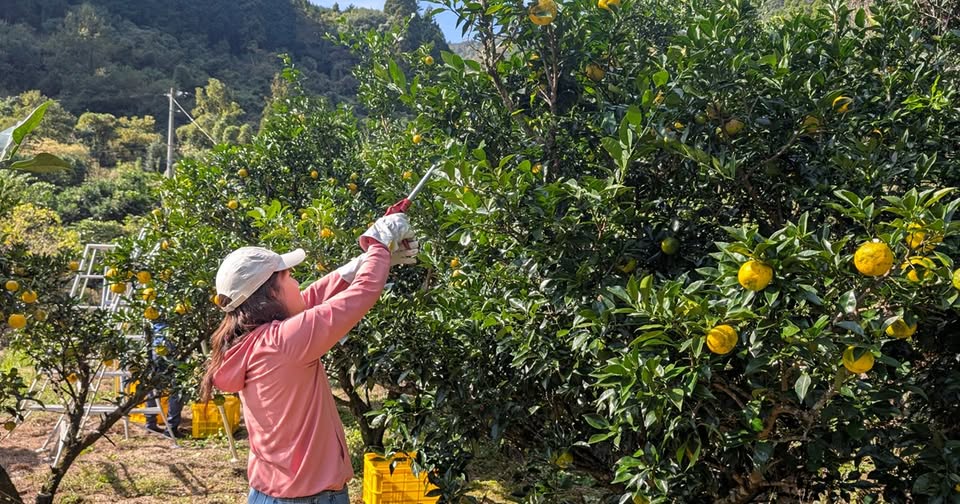
The primary producing countries for commercial yuzu remain Japan and South Korea, where the fruit has been cultivated for over a millennium. Japan is the world’s largest producer of yuzu by volume, and Kochi Prefecture is one of the most significant domestic cultivation regions.
Korean yuzu production is concentrated in the southern coastal regions, particularly in areas with milder climates suitable for citrus cultivation.
The fruit is exported in several forms, including fresh fruit, juice, zest, paste, dehydrated powder, and frozen puree, the latter formats being most relevant to the beverage industry given the logistical challenges of transporting fresh yuzu internationally.
Secondary production has developed in New Zealand, Australia, Spain, Italy, and France, driven by demand from the restaurant and specialty beverage industries in those markets. The expansion of cultivation into the Southern Hemisphere has extended the seasonal availability of fresh yuzu and reduced supply chain dependency on East Asian sources for certain markets.
Notes on Terminology
The term yuzu coffee encompasses a category of beverages rather than a single standardized preparation. The beverage may be produced using fresh yuzu juice, yuzu zest, yuzu concentrate, yuzu syrup, yuzu cordial, or commercially produced yuzu flavorings, each of which contributes differing degrees of intensity and authenticity to the final product.
The coffee component may consist of espresso, cold brew, drip coffee, or instant coffee, depending on the preparation format and the operator’s equipment. The term is used across the specialty coffee industry, the ready-to-drink sector, and the home preparation market without a single agreed technical definition.