
A Q-Grader is a highly specialized professional title awarded to individuals who have demonstrated a master-level proficiency in the sensory evaluation of coffee.
This designation represents the most rigorous certification in the global specialty coffee industry. It serves as an essential credential for those responsible for determining the grade, value, and quality of green coffee beans across the international supply chain.
Origin & History
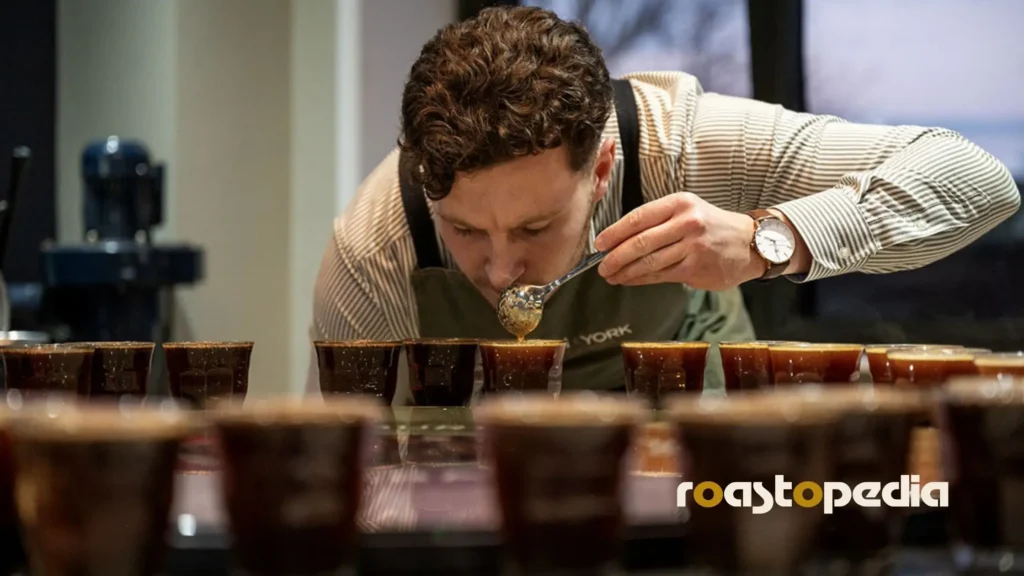
The requirement for an objective and standardized grading system emerged during the early 1990s as the specialty coffee market began to expand rapidly.
In 2003, the Coffee Quality Institute officially launched the Q-Grader program to address the lack of consistent evaluation criteria among international traders. This innovation allowed for a common language that could be used by producers, roasters, and buyers to communicate about quality.
Establishment of the program was a response to the subjectivity that had previously dominated coffee buying and selling. Before the Q-Grader license existed, quality was often determined by local traditions or personal preferences rather than by scientific standards.
The program’s creators sought to turn the art of tasting into a quantifiable discipline that could be verified through intense examination.
In 2025, the Specialty Coffee Association assumed direct control of the program to further align it with modern sensory science and the new Coffee Value Assessment standards. This transition reflects the ongoing evolution of the industry toward a more holistic and data-rich understanding of coffee value.
The Q-Grader remains the primary defender of quality and equity within the global trade ecosystem.
Etymology
The name of this coffee professional is derived from the letter “Q,” which stands as a universal shorthand for quality within the coffee sector.
It distinguishes the holder as a certified evaluator of “Q Coffee,” which refers specifically to specialty-grade Arabica beans. This naming convention has become a globally recognized symbol of professional excellence and technical authority.
Technical usage of the term has expanded to include “R-Graders,” who specialize in the evaluation of Robusta coffee.
While the “Q” designation remains the most famous, both titles signify a mastery of the same rigorous sensory principles. This linguistic structure allows the industry to maintain separate but equal standards for the two primary commercial species.
Global adoption of the title has turned the “Q” into a prestigious marker of individual accomplishment within the workforce. Many professionals refer to the process of earning the license as “getting their Q,” emphasizing the personal and professional weight of the achievement. Understanding this nomenclature is essential for any individual navigating the upper tiers of the professional coffee industry.
The Certification Process
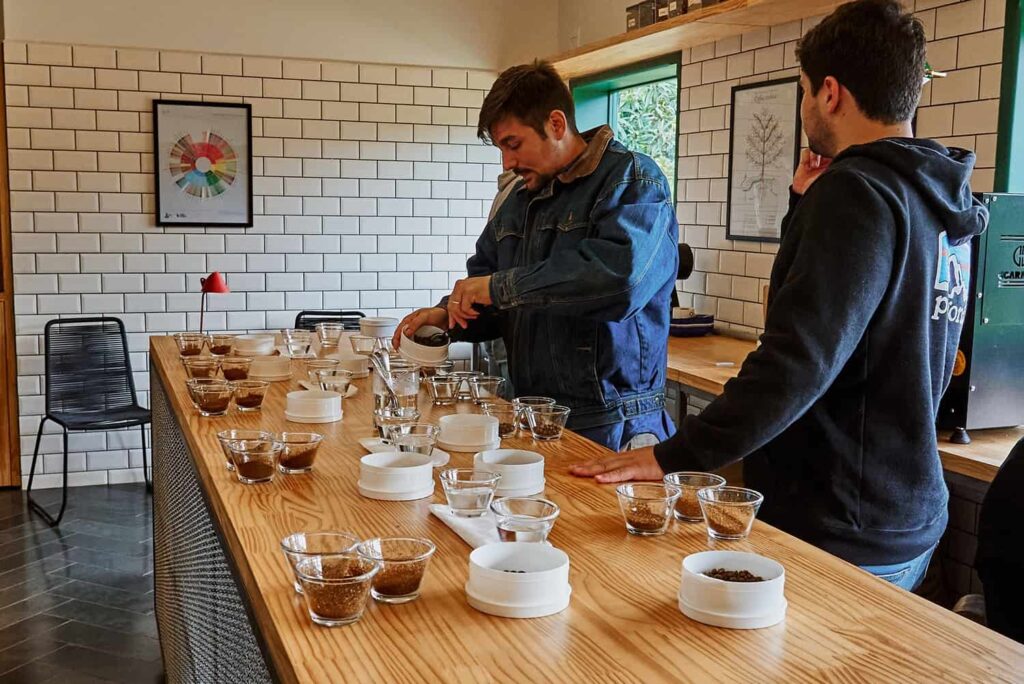
Technical standards for earning a Q-Grader license require the successful completion of an intensive six-day course and nineteen separate exams. These tests assess a candidate’s ability to identify organic acids, recognize roast defects, and accurately score coffee samples using the official protocol. The rigor of the exam is evidenced by a global pass rate that frequently falls below fifty percent.
Sensory calibration is the primary focus of the training, as candidates must align their palates with a group of their peers and the instructor. This ensures that a Q-Grader in Ethiopia will assign the same score to a sample as a Q-Grader in Japan or Norway. This alignment is what allows the license to function as a reliable instrument of international trade.
Mandatory re-certification occurs every three years to ensure that the license holder maintains their sensory acuity and stays current with evolving standards. This requirement prevents “calibration drift” and ensures that the global network of graders remains a stable and trustworthy source of data. The commitment to continuous learning is a core tenet of the Q-Grader’s professional identity.
Professional Responsibilities
Determining the final score of a green coffee lot is the most significant responsibility of a practicing Q-Grader. This numerical value dictates whether a coffee can be sold as “specialty” or if it must be relegated to the commodity market. This decision has profound financial implications for the producers and exporters who rely on premium pricing.
Q-Graders also act as consultants for farmers, helping them identify which processing methods or cultivars are producing the highest quality results on their land. They provide detailed sensory reports that allow producers to troubleshoot flavor defects and improve their agricultural practices over time. This collaborative role is essential for driving progress and sustainability at the origin level.
Roasting companies utilize Q-Graders to manage their green coffee inventory and ensure that every purchase meets their specific brand standards. These experts perform arrival cuppings to verify that the coffee they received matches the pre-shipment samples they originally approved. This level of scrutiny protects the roaster from unexpected quality failures and maintains the integrity of their product line.
Sensory Requirements
Palate acuity for organic acid detection is one of the most difficult skills tested during the certification process. Candidates must be able to distinguish between citric, malic, and acetic acids, even when they are present in very low concentrations. This sensitivity allows the grader to identify the specific chemical components that contribute to a coffee’s unique acidity.
Blind sensory evaluations are the standard for all professional grading tasks to ensure that no external biases influence the final score. Graders must work in a controlled environment free from distractions, odors, and bright colors that could affect their perception. Maintaining this level of focus is as much a mental challenge as it is a physical one.
Identifying “off-notes” or primary defects is a non-negotiable requirement for ensuring the safety and quality of a coffee shipment. A Q-Grader must be able to detect the early signs of fermentation, mold, or chemical contamination that could ruin a lot. This diagnostic skill serves as the final barrier between a defective product and the end consumer.
Notable Facts
A Q-Grader is often referred to as the “sommelier of the coffee world,” though their certification process is arguably more technically focused on diagnostic accuracy. While a sommelier might focus on service and pairing, a Q-Grader’s primary duty is the objective measurement of raw agricultural quality. This distinction highlights the technical and industrial roots of the coffee profession.
The sensory exams include a “triangulation” test where a candidate must identify the one unique cup out of a set of three closely related samples. This test measures the grader’s ability to notice extremely subtle differences in flavor and body under pressure. It is considered one of the most stressful and definitive hurdles in the entire certification process.
Digital versions of the cupping form are increasingly being used by Q-Graders to sync their scores with international databases in real-time. This connectivity allows buyers to see the quality of a lot as soon as it has been graded by an expert at the farm or warehouse. Such technological integration is turning the individual palate into a global sensor for quality control.
Related Concepts
Cupping Protocol is the standardized brewing method that every Q-Grader must use to evaluate a coffee sample. This set of rules ensures that the coffee is prepared in the same way across the entire world, removing any variables that could bias the results. Mastery of this protocol is a prerequisite for entry into the Q-Grader course.
Specialty Coffee is defined by the Specialty Coffee Association as any coffee that receives a Q-Grader score of eighty points or higher. This definition provides a clear and objective threshold that separates high-quality artisan products from standard commercial-grade coffee. The Q-Grader is the primary authority responsible for upholding this standard.
Coffee Value Assessment is the modern framework that has replaced the traditional cupping form as the standard for professional evaluation. It expands the assessment to include descriptive and affective attributes, providing a more holistic view of why a coffee is special. Q-Graders are now trained to use this multidimensional system to communicate more effectively about value.