
Coffee roast level refers to the degree to which green coffee beans are heated during the roasting process. Roasting transforms raw coffee beans from their natural green state into the aromatic brown beans used for brewing coffee.
The roast level is typically categorized as light, medium, medium-dark, or dark, depending on how long and how intensely the beans are roasted.
During roasting, complex chemical reactions occur within the beans, including caramelization of sugars and the development of hundreds of flavor compounds. These changes significantly influence the coffee’s taste, aroma, body, acidity, and overall drinking experience.
Roast level is one of the most important factors affecting the character of a cup of coffee. While the origin, variety, and processing method determine a coffee’s inherent qualities, the roast level determines how those qualities are expressed in the final brew.
Why it Matters in Coffee
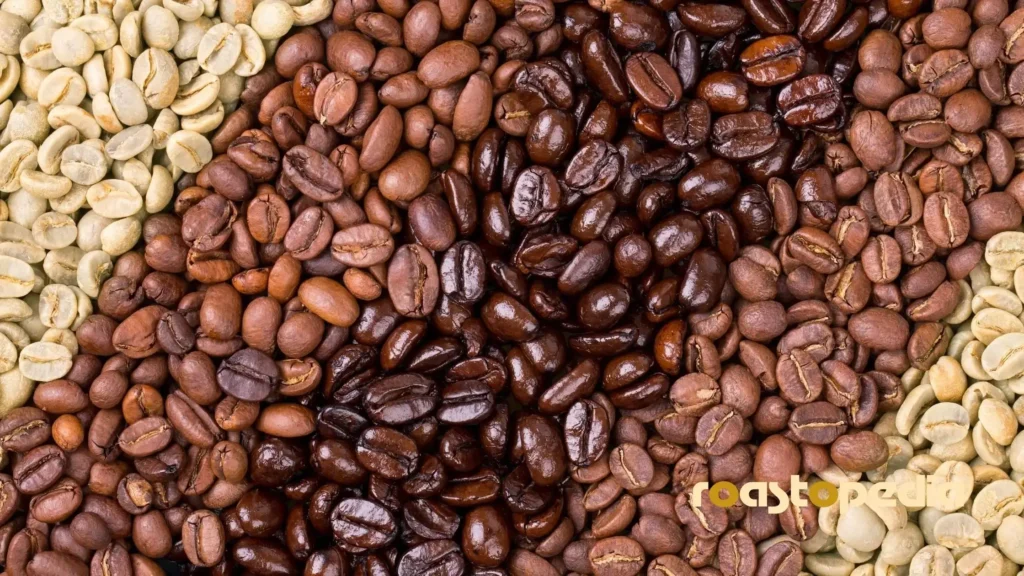
Roast level plays a crucial role in shaping the sensory profile of coffee. It influences how much of the bean’s original characteristics remain visible and how much of the flavor comes from the roasting process itself.
A lighter roast tends to preserve the coffee’s natural flavors, allowing drinkers to experience the unique characteristics of the bean’s origin. Fruity, floral, herbal, and tea-like notes are often more noticeable in lightly roasted coffees.
As the roast becomes darker, the original characteristics become less pronounced while flavors created by roasting become more dominant. Caramel, chocolate, toasted nuts, smoke, and bittersweet notes become increasingly prominent.
Roast level also affects acidity, body, sweetness, and bitterness. Light roasts generally exhibit higher acidity and a lighter body, while dark roasts often have lower perceived acidity, a fuller body, and more bitterness.
For coffee professionals, understanding roast level is essential for selecting appropriate beans, developing roasting profiles, and recommending coffees to consumers based on their taste preferences.
Different Types of Roast Levels
Coffee roast levels exist on a spectrum, ranging from light to dark. Each roast level produces a distinct combination of flavors, aromas, acidity, body, and sweetness.
While there is no universally “best” roast level, each offers a unique drinking experience that appeals to different preferences and brewing methods.
Understanding these roast categories helps coffee drinkers make informed choices and better appreciate the diversity of flavors found in coffee.
Light Roast
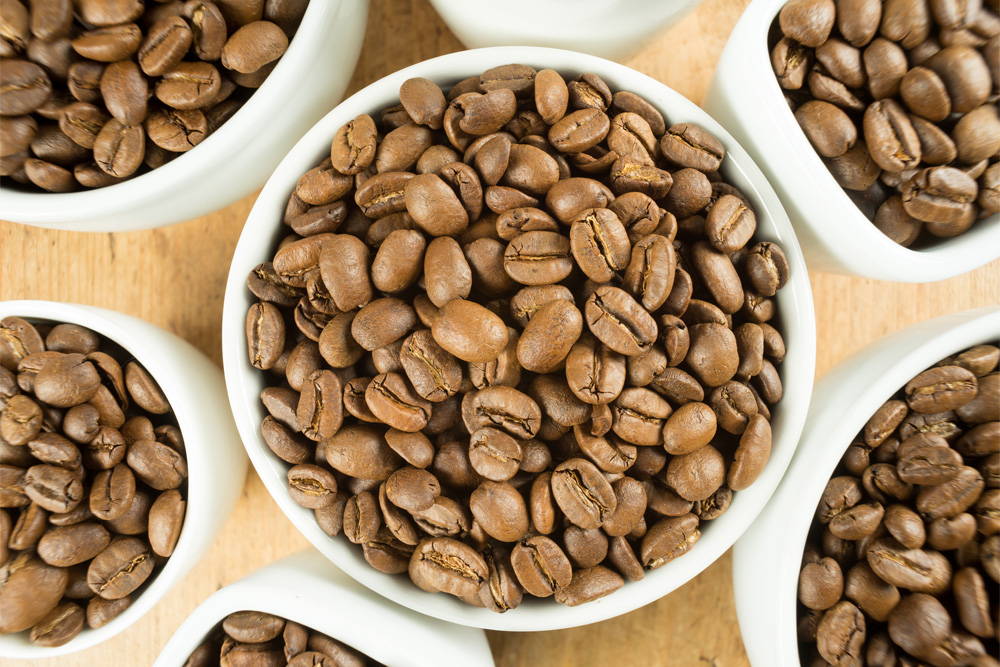
Light roast coffee is roasted for the shortest period and usually reaches temperatures between approximately 180°C and 205°C (356°F–401°F). The beans are light brown in color and generally have no visible oil on the surface.
Characteristics include:
- Bright acidity
- Pronounced origin flavors
- Floral and fruity notes
- Light body
- Complex and nuanced taste
Common names include Cinnamon Roast, New England Roast, and Light City Roast.
Medium Roast
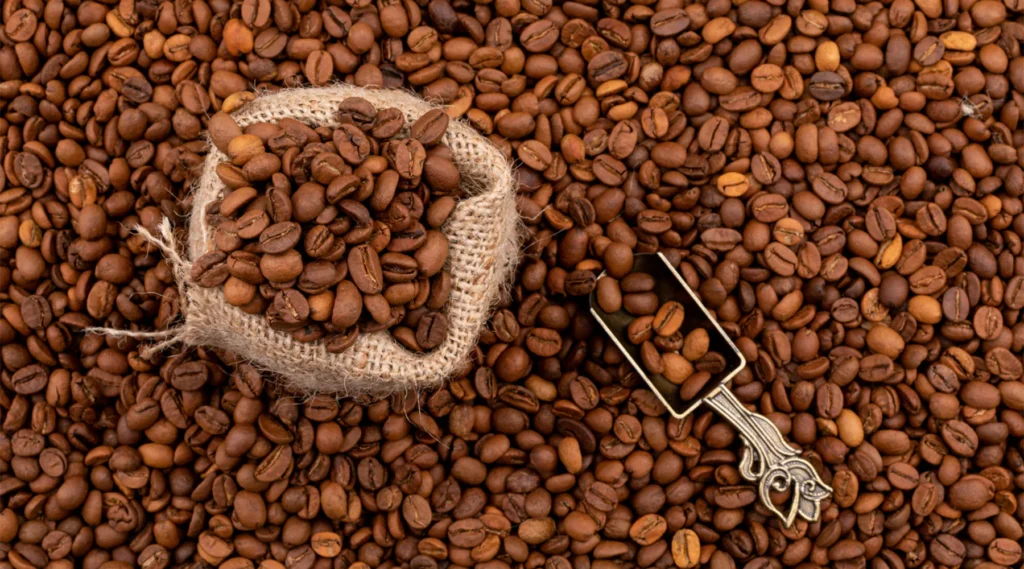
Medium roast coffee strikes a balance between preserving origin characteristics and developing roast-derived flavors. The beans are medium brown and typically have a smooth, balanced profile.
Characteristics include:
- Moderate acidity
- Balanced sweetness
- Caramel and chocolate notes
- Medium body
- Well-rounded flavor
Common names include American Roast, City Roast, and Breakfast Roast.
Medium-Dark Roast

Medium-dark roasts develop deeper sweetness and richer body while retaining some origin characteristics.
Characteristics include:
- Lower acidity
- Rich body
- Dark chocolate flavors
- Toasted nut notes
- Increased bitterness
Common names include Full City Roast and After-Dinner Roast.
Dark Roast
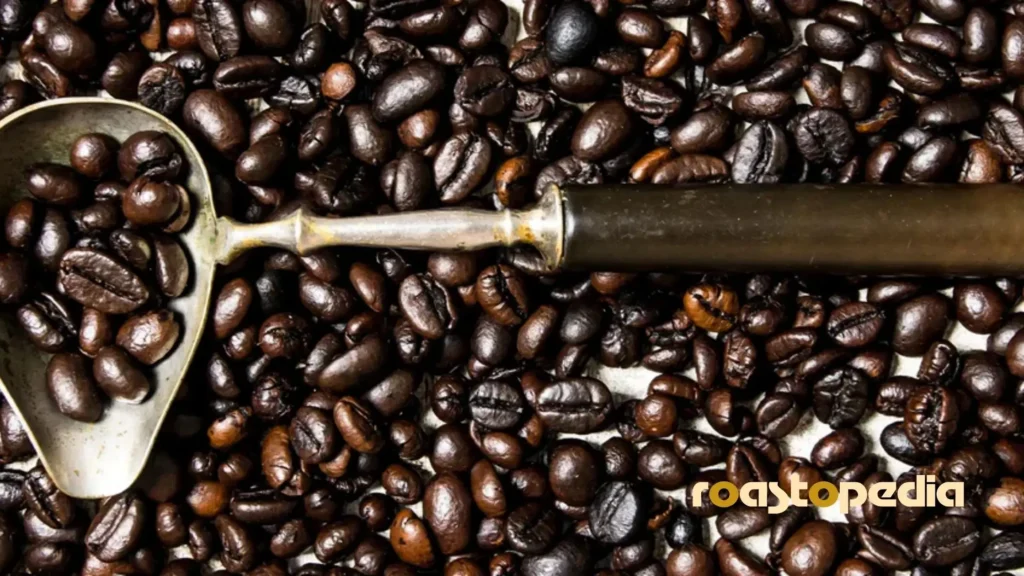
Dark roast coffee is roasted for the longest duration, often beyond the second crack. The beans appear dark brown or nearly black and may have an oily surface.
Characteristics include:
- Low acidity
- Heavy body
- Smoky flavors
- Bittersweet taste
- Roasting notes dominate origin flavors
Common names include French Roast, Italian Roast, Spanish Roast, and Espresso Roast.
How it Appears in Practice
Roast level can often be identified through visual appearance, aroma, and flavor.
Light-roasted beans appear pale brown and dry. When brewed, they often produce vibrant cups with noticeable fruit, citrus, berry, or floral notes. Specialty coffee roasters frequently use light roasts to highlight the unique qualities of high-quality single-origin coffees.
Medium-roasted beans display a richer brown color and offer a balance of sweetness, acidity, and body. These roasts are popular among consumers seeking versatility and consistency.
Medium-dark roasts produce fuller-bodied coffees with stronger caramelization and chocolate-like sweetness. They are often used for espresso blends because they provide richness without excessive bitterness.
Dark-roasted beans are darker in appearance and may show oils on the surface. Their flavor emphasizes roast character, including smoky, toasted, and bittersweet notes. Many traditional espresso blends and commercial coffees fall into this category.
Coffee packaging often indicates roast level, helping consumers choose products that match their flavor preferences.
Examples in Coffee
Several famous coffee-producing regions and coffee styles demonstrate how roast levels influence flavor.
- Ethiopian coffees are frequently roasted light to showcase floral, citrus, berry, and tea-like characteristics.
- Kenyan coffees often perform well at light to medium roast levels, emphasizing bright acidity and complex fruit flavors.
- Colombian coffees are commonly roasted medium, highlighting balanced sweetness, caramel notes, and pleasant acidity.
- Brazilian coffees are often roasted medium to medium-dark, producing chocolate, nutty, and sweet flavors.
- Traditional Italian espresso blends are typically roasted medium-dark to dark, creating a rich body and bittersweet complexity.
- French Roast coffees represent one of the darkest roasting styles and emphasize smoky, roasted flavors.
The same coffee bean can taste dramatically different depending on its roast level. For example, a lightly roasted Ethiopian coffee may display jasmine and blueberry notes, while the same coffee roasted dark may primarily taste smoky and bittersweet.
Common Misunderstandings
There are several misunderstandings when it comes to different coffee roast levels. Here are a few of those common misunderstandings:
Dark Roasts Are Stronger
Many people assume dark roast coffee contains more caffeine because it tastes bolder. In reality, roast level has only a minor effect on caffeine content. Light and dark roasts contain similar amounts of caffeine.
Light Roasts Are Weak
A lighter roast does not mean a weaker flavor. Light-roasted coffees often possess intense acidity, complexity, and distinctive flavor notes that can be more pronounced than those found in darker roasts.
Dark Roasts Are Higher Quality
Some consumers associate dark roasting with premium coffee. However, roast level does not determine quality. Exceptional coffees can be roasted lightly, medium, or dark depending on the desired flavor profile.
Oily Beans Mean Better Coffee
An oily surface simply indicates a darker roast. It is not a reliable indicator of freshness or quality.
One Roast Level is Best
There is no universally superior roast level. The best roast depends on the coffee bean, brewing method, and individual taste preferences. Some drinkers prefer the vibrant complexity of light roasts, while others enjoy the rich, bold character of dark roasts.
Understanding roast levels helps coffee enthusiasts appreciate the wide range of flavors that coffee can offer. By exploring different roast profiles, drinkers can discover how roasting transforms the same coffee bean into dramatically different sensory experiences.