
Cortadito is a Cuban espresso drink that evolved directly from the Spanish cortado—espresso ‘cut’ with a small amount of milk—after Cuban immigrants adopted and modified it using locally available ingredients. In Cuba, fresh whole milk was not always reliable or accessible, particularly during periods of rationing in the twentieth century. Evaporated milk, shelf-stable and widely available, became the standard dairy used in Cuban coffee culture, giving the cortadito a distinctly richer, sweeter character than its Spanish predecessor.
The drink became a staple of Cuban domestic coffee culture before the 1959 revolution and was transplanted wholesale into the exile community in Miami, where it remains one of the most ordered drinks at Cuban ventanitas and cafeterias.
Etymology
Cortadito is the diminutive form of cortado, from the Spanish cortar, meaning ‘to cut.’ The -ito suffix in Spanish signals smallness or affection, making cortadito literally ‘a little cut’ coffee. This diminutive signals both the small serving size and the cultural intimacy associated with the drink. The Spanish cortado uses the same root but lacks the diminutive and typically uses steamed whole milk rather than evaporated milk.
The Science of the Brew
A cortadito is built on a base of café cubano—a shot of dark-roasted espresso sweetened with espumita (whipped raw sugar foam)—topped with an equal or slightly greater volume of warm evaporated milk. Evaporated milk has roughly 60% of its water removed, resulting in a fat content of approximately 7–8% and a lactose concentration nearly double that of whole milk. This higher lactose content browns more readily via Maillard reactions when heated, adding cooked-cream and caramel notes absent from fresh milk.
The milk is heated but not steamed to froth; the temperature is typically 140–160°F. The espresso-to-milk ratio in a cortadito is roughly 1:1 to 1:1.5, preserving the coffee’s intensity while rounding its bitterness. The espumita layer partially dissolves into the milk but leaves a faint sweet foam at the surface.
Taste & Sensory Profile
The cortadito is bold but approachably creamy. The dark-roasted espresso delivers bitter chocolate, roasted grain, and molasses, while the evaporated milk contributes a cooked-cream sweetness and a silkier mouthfeel than fresh milk would provide. The espumita introduces a caramelized sugar note that integrates with the milk’s natural lactose sweetness, producing a drink that is simultaneously intense and smooth. It is considerably sweeter and richer than a Spanish cortado.
Variations
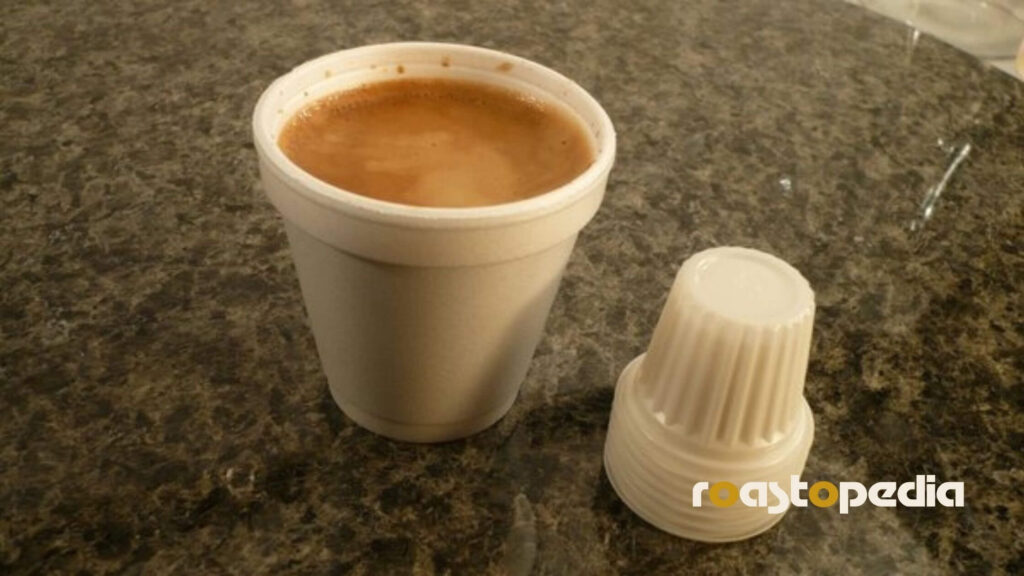
Some cortaditos are made with condensed milk instead of evaporated milk, resulting in a markedly sweeter, dessert-like drink. A cortadito de leche fresca substitutes fresh whole milk, approximating the Spanish cortado more closely. In certain Miami establishments, the espumita is omitted entirely and simple syrup is used, though this is considered a shortcut by traditionalists. Serving vessel varies: glass demitasse cups are traditional, though styrofoam cups are standard at ventanitas.
Notable Facts
The use of evaporated milk in Cuban coffee is directly traceable to U.S. trade relationships with Cuba in the early 20th century; American brands like Carnation were widely distributed on the island by the 1920s. The cortadito occupies a precise social niche in Cuban culture—too milky to be a cafecito, not milky enough to be a café con leche—making it the choice for those who want full coffee flavor with a gentler finish. In Cuban households, the cortadito is frequently served to guests as a sign of hospitality, the espumita’s golden foam being a marker of preparation care.
Related Drinks
Café Cubano — the espresso base of the cortadito, without milk. Colada — a large, shared version of café cubano. Café con Leche — a milk-forward Cuban coffee using a higher ratio of evaporated or whole milk. Cortado — the Spanish predecessor, made with steamed whole milk. Macchiato — Italian espresso ‘stained’ with a small amount of milk foam; shares the cut-with-milk concept.