
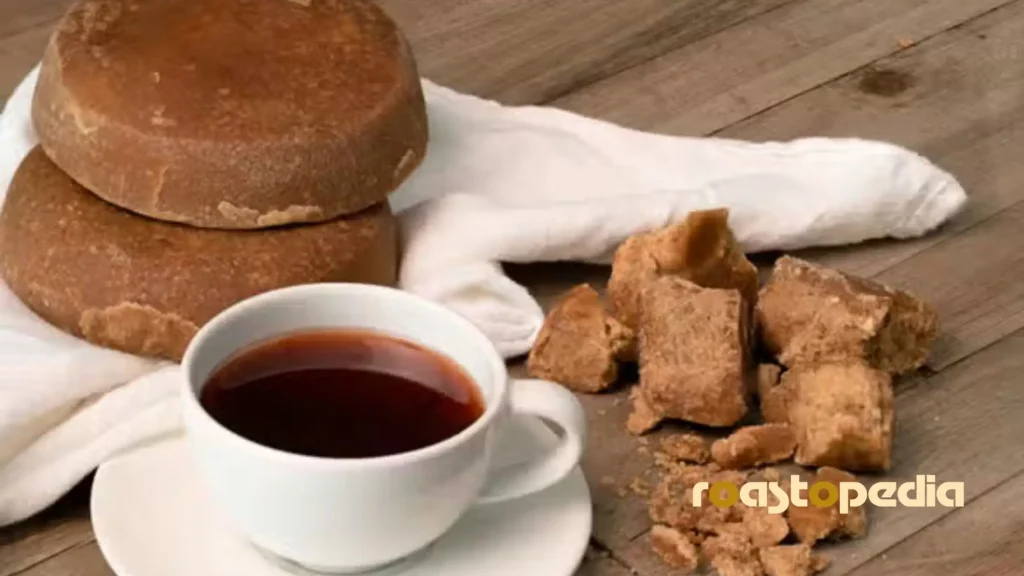
Café con Panela is a foundational Colombian coffee preparation in which hot black coffee is sweetened exclusively with panela — raw, unrefined pressed sugarcane — producing a drink that is as much a statement of agricultural heritage as it is a beverage.
Origin & History
Café con Panela predates Colombia’s formal coffee export economy, emerging in the early 19th century as a daily staple in households across the sugarcane and coffee dual-cultivation zones of Boyacá, Cundinamarca, and the Cauca Valley.
Spanish colonial administrators documented the combination of guarapo — fermented panela water — and early roasted coffee beverages in ecclesiastical records from the Viceroyalty of New Granada as early as the 1780s, suggesting that Colombians were combining cane-based sweeteners with coffee before the nation itself was formally constituted.
Post-independence land reform in the mid-19th century enabled smallholder farmers to cultivate both sugarcane and coffee on adjacent plots, making panela the natural and economically rational sweetener for the coffee these same farmers produced.
Etymology
Café con Panela takes its name from the Spanish word panel, referring to the wooden molds in which boiled sugarcane juice was traditionally poured and left to solidify into the characteristic block or piloncillo shape.
As the name goes, Café con Panela is derived from the Arabic qahwa via the Ottoman Turkish kahveh — and panela, creating a name that linguistically bridges Arab, Iberian, and indigenous American agricultural traditions.
Regional Colombian dialects sometimes shorten the drink to simply “el café dulce” — “the sweet coffee” — distinguishing it from Tinto without sugar, demonstrating how deeply the pairing of coffee and panela is embedded in the Colombian understanding of a default sweetened cup.
The Science of the Brew
Panela contains residual molasses compounds, including invert sugars and melanoidins, that are absent in refined white sugar; when dissolved in hot coffee, these compounds interact with coffee’s own melanoidins — formed during roasting — to produce a layered browning chemistry that deepens the body and color of the final drink.
The glycemic index of panela-sweetened coffee is measurably lower than that of white-sugar-sweetened coffee, a result documented in nutritional studies from Colombian universities, because panela’s sucrose matrix is accompanied by fiber residues that slow intestinal glucose absorption.
Dissolving panela in coffee requires more mechanical agitation than refined sugar due to its denser crystalline structure — a practical observation with chemical roots in panela’s lower water content and higher mineral binding capacity compared to processed sucrose.
Taste and Sensory Profile
Café con Panela registers a rounded sweetness that is warm, slightly smoky, and deeply caramelized, bearing no resemblance to the clean, neutral sweetness of white sugar — a distinction immediately perceptible even to untrained palates.
The drink’s finish is long and complex, with a faint treacle-like persistence on the back palate that complements the roasted bitterness of Colombian black coffee rather than masking it.
Sensory evaluators consistently describe Café con Panela as having a “thicker” mouthfeel than identically brewed coffee sweetened with refined sugar, a perception confirmed by viscosity measurements attributable to panela’s residual plant-fiber polymers suspended in solution.
Variations
Panela negra — a darker, more intensely caramelized block produced from cane varieties with higher sucrose concentration — creates a more robust, almost bitter-sweet version of the drink preferred by older generations in the interior highland departments.
Some preparations dissolve the panela block directly in boiling water first, creating aguapanela, which is then used as the brewing liquid for coffee — a method that produces a more homogeneously sweet extraction compared to adding solid panela to already-brewed coffee.
Bartenders in Bogotá’s emerging craft coffee scene have developed an iced Café con Panela using cold brew concentrate and a panela simple syrup infused with orange zest, bridging the traditional drink with contemporary specialty coffee aesthetics.
Notable Facts
Colombia is the world’s largest producer of panela by volume, generating over 1.5 million metric tons annually, making it a more abundant agricultural output in some departments than coffee itself.
The United Nations Food and Agriculture Organization has cited Café con Panela as an example of a traditional beverage that integrates two distinct national agricultural value chains — coffee and sugarcane — into a single culturally significant product.
Panela sold for export is increasingly marketed in North American and European specialty food markets as an artisan coffee sweetener, effectively repositioning Café con Panela’s key ingredient as a premium global commodity.
Related Facts
Jaggery from South Asia and piloncillo from Mexico are ethnobotanically analogous to Colombian panela, all produced through identical non-centrifugal cane sugar processes, suggesting that the instinct to sweeten coffee with unrefined cane products emerged independently across multiple post-colonial equatorial cultures.
Biochemical analysis conducted at the Universidad Nacional de Colombia found that panela contains more than 54 nutrients absent in refined white sugar, including iron, potassium, phosphorus, and B-complex vitamins, giving Café con Panela a modest but documented nutritional advantage over conventionally sweetened coffee.
The Slow Food Foundation for Biodiversity has listed traditional Colombian panela production methods — including the use of trapiche mills powered by oxen or water — in its Ark of Taste catalogue, recognizing the ingredient’s cultural and biodiversity significance.