
Cupping is a professional methodology used to evaluate the complex sensory attributes of a specific coffee sample through a standardized brewing process.
This systematic approach allows roasters, importers, and graders to quantify flavor quality, aroma, and potential defects within a controlled environment. Practitioners utilize this protocol as a universal language to determine the market value and specialty status of green coffee beans.
Origin & History
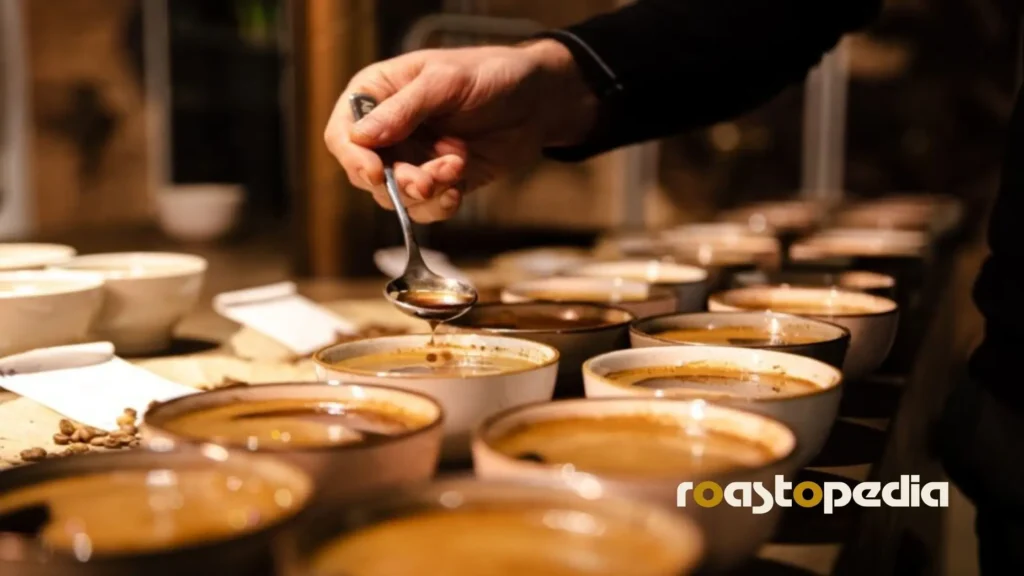
Systematic evaluation of coffee quality through tasting began in the late nineteenth century within the busy trading ports of San Francisco. Merchants and buyers required a consistent method to verify the quality of large shipments before finalized transactions occurred. This commercial necessity led to the development of the first formal cupping protocols used by industry pioneers.
Clarence E. Bickford is frequently cited as the professional who refined these early tasting techniques for the American market. His methodology allowed merchants to move beyond visual inspection toward a deeper understanding of the beverage’s actual flavor profile. This shift fundamentally changed how coffee was traded by placing a premium on sensory characteristics rather than purely aesthetic factors.
Global standards were eventually established and refined by the Specialty Coffee Association to ensure international consistency in grading. These protocols have evolved from simple trade tools into a highly technical system for identifying the nuances of terroir and processing. Contemporary standards now include digital logging and advanced sensory science to provide a multidimensional view of coffee value.
Etymology
Lexical roots of the term originate directly from the specific vessels or “cups” used to hold the brewed coffee. It describes the physical act of preparing multiple samples in open containers for simultaneous comparison. This functional name highlights the simplicity of the apparatus required for such a high-precision analytical task.
Historical records indicate that the word became synonymous with professional coffee grading as the specialty industry matured. It distinguishes this formal protocol from the casual act of tasting or drinking a finished beverage. This linguistic specificity ensures that professionals understand they are engaging in a rigorous diagnostic exercise rather than a domestic routine.
Modern usage of the word has expanded to encompass the entire cultural ritual associated with the evaluation process. It serves as both a noun for the event and a verb for the action of sensory analysis. Recognizing the correct context of the term is essential for anyone navigating the technical landscape of the professional coffee industry.
The Mechanics of the Protocol
Technical accuracy in a cupping session depends upon the strict control of specific brewing variables. Water temperature is maintained at approximately ninety-three degrees Celsius to ensure an efficient but controlled extraction of soluble solids. This thermal consistency allows the cupper to compare different samples without the interference of temperature-induced flavor shifts.
Standardized ratios are another critical requirement for maintaining a valid and repeatable testing environment. Most professionals utilize a ratio of five point five grams of coffee for every one hundred milliliters of water. Such precision ensures that the concentration of the brew remains identical across every cup on the table.
Grind size for the protocol is typically set to a coarse profile, similar to that used for a French press. This allows the water to saturate the grounds evenly during the four-minute immersion period before the evaluation begins. Maintaining this coarse particle size prevents over-extraction and preserves the clarity of the coffee’s unique flavor profile.
Sensory Methodology
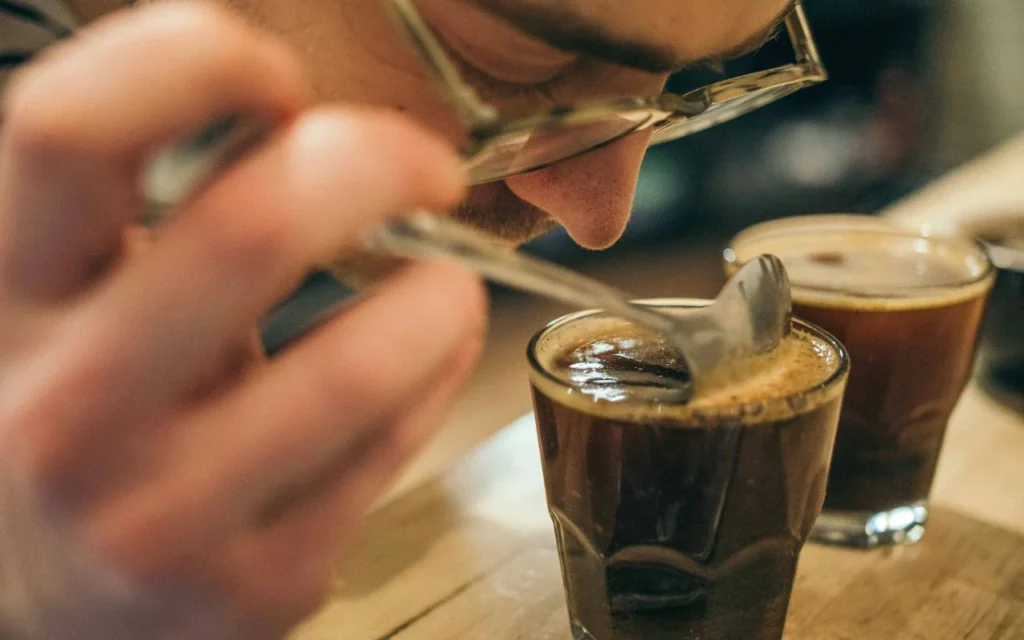
Evaluating the fragrance of the dry coffee grounds provides the first indication of a sample’s potential quality. Cuppers carefully inhale the scents released immediately after grinding to detect notes of fruit, chocolate, or spices. This initial step serves as a foundational baseline for the subsequent wet aroma assessment.
Wet aroma is analyzed after the addition of hot water and the formation of a thick crust of grounds. Breaking this crust with a spoon releases a concentrated burst of steam that carries the most volatile aromatic compounds. This dramatic sensory moment offers deep insights into the freshness and chemical complexity of the roasted bean.
Slurping the liquid into the mouth is the most recognizable technique used during the actual tasting phase. This forceful action aerates the coffee and spreads it across the entire palate for comprehensive sensory coverage. It allows the professional to identify the subtle nuances of acidity, sweetness, and body that define a high-scoring coffee.
The Scoring System
Grading a coffee involves the use of a specialized form to assign numerical values to various sensory categories. Professionals evaluate attributes such as balance, uniformity, and cleanliness to build a comprehensive picture of quality. This quantitative approach turns subjective experiences into data that can be used for commercial decision-making.
Specialty status is awarded only to those coffees that achieve a score of eighty points or higher on the one hundred-point scale. This rigorous threshold ensures that only the most exceptional harvests receive the premium pricing associated with the specialty market. Anything scoring below this level is typically relegated to the commodity trade.
Advanced practitioners known as Q-Graders undergo intense training and certification to ensure their scores remain accurate and objective. These experts act as the ultimate arbiters of quality within the global coffee supply chain. Their work provides the essential trust required for international trade between producers and roasters.
Notable Facts
A single professional cupping table can sometimes feature over twenty different samples arranged for side-by-side comparison. This high-density setup allows the taster to identify the smallest variations in flavor caused by minor differences in terroir. Such rigorous testing is the only way to ensure the absolute consistency of a large-scale roasting operation.
Aeration during the slurping process is not just for show; it serves a vital scientific purpose. Oxygenating the liquid enhances the perception of flavor by stimulating the olfactory receptors located in the back of the nose. This technique maximizes the taster’s ability to detect complex organic acids and volatile oils.
Defect identification is a primary goal of the protocol, as even one fermented or moldy bean can ruin an entire batch. Cuppers utilize multiple cups of the same coffee to ensure that the sample is uniform and free from these errors. This redundant testing protects the consumer and the brand from unexpected flavor failures.
Related Concepts
Flavor Wheels act as a visual guide for cuppers to categorize and describe the diverse sensations they encounter. These charts organize flavors into broad categories like “fruity” or “nutty” before narrowing down to specific notes like “strawberry” or “walnut.” Utilizing this shared vocabulary ensures that professionals from different countries can communicate effectively about taste.
Terroir represents the environmental factors that the cupping process is designed to reveal and celebrate. Characteristics such as soil mineral content and altitude leave a unique sensory fingerprint on the roasted bean. Cupping allows the industry to map these geographical influences with extreme precision across global harvest seasons.
Processing methods also leave a distinct mark on the flavor profile that cuppers must learn to recognize. Washed coffees typically offer a clean and vibrant acidity, while naturally processed beans often present a heavy body and intense fruitiness. Mastering the sensory differences between these methods is a core skill for any professional coffee evaluator.