
A gasket is a circular ring made of flexible material that creates a pressure-tight seal between the espresso machine’s group head and the portafilter.
This critical component ensures that the nine bars of brewing pressure are directed entirely through the coffee puck rather than leaking around the edges.
It is one of the most frequently replaced wear-and-tear parts in any professional or domestic espresso setup.
Origin & History
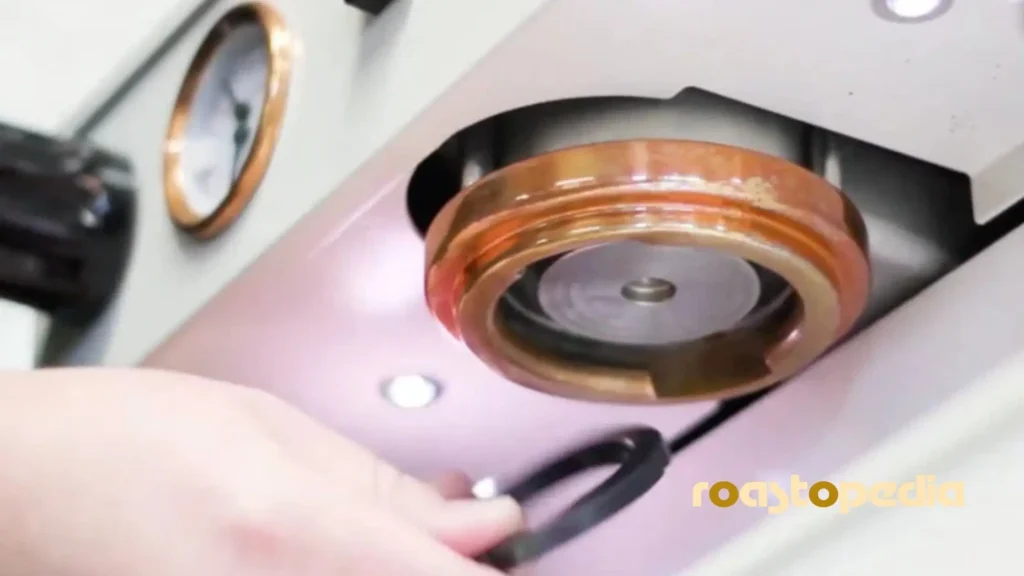
The requirement for high-pressure seals emerged alongside the development of the first piston-driven espresso machines in Italy. Early manufacturers relied on natural rubber compounds to provide the necessary flexibility and heat resistance for a tight mechanical lock. These initial materials were effective but tended to harden and crack quickly when exposed to constant thermal stress.
Evolution of gasket materials accelerated during the late twentieth century as synthetic rubbers like EPDM became the industry standard. These engineered compounds offered superior durability and a longer lifespan within the harsh environment of a commercial coffee machine. Such advancements allowed cafes to maintain a reliable seal for several months of high-volume service without failure.
The introduction of food-grade silicone gaskets represents the most recent innovation in the history of this humble component. Silicone offers a softer feel and remains flexible significantly longer than traditional rubber equivalents. This material shift has improved the ease of use for baristas and reduced the maintenance burden for café owners and home enthusiasts alike.
Etymology
The etymological roots of the word trace back to the Old French ‘garcette,’ which originally referred to a small cord used on ships to secure sails. Over time, the term evolved to describe any material used to pack a joint and prevent the leakage of fluid or gas. In the context of espresso, it describes the specific ring that “stops the leak” at the brewing interface.
Global usage of the term within the coffee industry is universal, though it is occasionally referred to as the “group seal.” It is a fundamental part of the technical vocabulary for anyone involved in the maintenance or operation of an espresso machine. The simplicity of the name reflects the straightforward but essential function that the component performs.
Technical nomenclature often specifies the gasket by its physical dimensions, typically its internal and external diameters in millimeters. For example, a “58mm E61 gasket” refers to a specific size that fits one of the most common group head designs in the world. Accurate measurement is vital for ensuring that a replacement part will provide a perfect and safe seal.
Professional Evolution
Technical standards for gasket maintenance have become a central part of barista training and equipment stewardship programs. Professionals are taught to recognize the early signs of a failing seal, such as water bypass or a portafilter that locks too far to the right. This proactive approach prevents messy extractions and potential damage to the machine’s locking lugs.
The rise of the specialty coffee movement has encouraged the use of high-visibility silicone gaskets in vibrant colors like blue, red, or green. These colors often signify different thicknesses, allowing a technician to choose the perfect fit for a specific machine’s wear level. This visual system simplifies the inventory management and installation process for busy service technicians.
Precision engineering of the gasket’s profile has led to the development of “conical” or “chamfered” designs that ease the locking process. These subtle shapes allow the portafilter to slide into place with less friction while still maintaining a robust high-pressure seal. This focus on the “feel” of the lock reflects a broader industry interest in the ergonomic quality of the barista’s work.
Technical Responsibilities
Replacing the group gasket on a regular schedule is the most effective way to prevent catastrophic leaks during a busy service shift. Most professional cafes replace their rubber gaskets every three to six months to ensure they remain soft and pliable. Neglecting this task can lead to a gasket becoming so hard and brittle that it must be chipped out of the group head in pieces.
Cleaning the surface of the gasket with a specialized group brush is a non-negotiable part of the daily closing routine. Stray coffee grounds that are allowed to remain on the seal can be pressed into the material, creating permanent indentations and paths for water to escape. A clean gasket ensures a perfect seal and extends the life of the component significantly.
Checking the “lock-in position” of the portafilter handle provides a reliable indicator of the current state of the gasket’s health. As the material wears down and compresses, the handle will gradually point further past the center mark of the group head. Noticing this shift early allows for a planned replacement before the seal fails and causes a mess.
Material Science
Traditional rubber gaskets are valued for their affordability and their ability to create a very firm and secure mechanical lock. However, they are prone to “baking” onto the group head over time, making them difficult to remove once they have reached the end of their life. They can also impart a slight rubbery odor if they are allowed to overheat or degrade excessively.
Silicone gaskets are favored for their extreme thermal stability and their resistance to the chemical cleaners used in the backflushing process. They do not harden over time and can be removed much more easily than rubber alternatives, even after months of heavy use. This material is also inert and odorless, ensuring that it has no impact on the delicate flavor profile of the coffee.
The thickness of the gasket is measured in millimeters and must be matched to the specific wear of the group head’s internal brass. A slightly thicker gasket can compensate for metal that has been worn down by years of portafilter engagement. Most machines use an 8mm or 8.5mm thickness as their standard starting point for a fresh and reliable seal.
Notable Facts
The “paper shim” is a common technical trick used to slightly increase the thickness of a gasket without replacing it entirely. These thin rings are placed behind the gasket to push it further down and create a tighter seal with the portafilter. While useful as a temporary fix, they are not a substitute for a properly sized and fresh replacement part.
Modern silicone gaskets can often last up to a year or more in a domestic setting before they require replacement. This durability makes them a popular choice for home baristas who want to minimize the frequency of technical maintenance. Their bright colors also make them much easier to see inside the dark recesses of the group head during cleaning.
International Barista Championship rules implicitly require a perfect gasket seal, as any leaking water would result in a significant point deduction. Competitors often install a fresh set of gaskets before a major event to ensure their equipment performs flawlessly under pressure. This attention to detail is a hallmark of the highest levels of professional espresso preparation.
Related Concepts
A Group Head is the structural housing where the gasket is located and where the portafilter locks in for brewing. The condition of the group head’s metal surfaces is directly linked to how effectively the gasket can perform its sealing duties. Both components must be in good condition to ensure a successful and safe extraction.
A portafilter is the tool that engages with the gasket to create the final brewing chamber for the espresso. The rim of the portafilter must be clean and free of dents or scratches to ensure it can make a perfect connection with the soft gasket material. Any damage to the portafilter rim will lead to persistent leaks regardless of the gasket’s age.
The shower screen is the metal plate that is usually held in place by the same tension as the group gasket. In many machine designs, the gasket must be removed to access the screen for deep cleaning or replacement. These two parts are the most critical “user-serviceable” components located within the brewing area of the machine.