
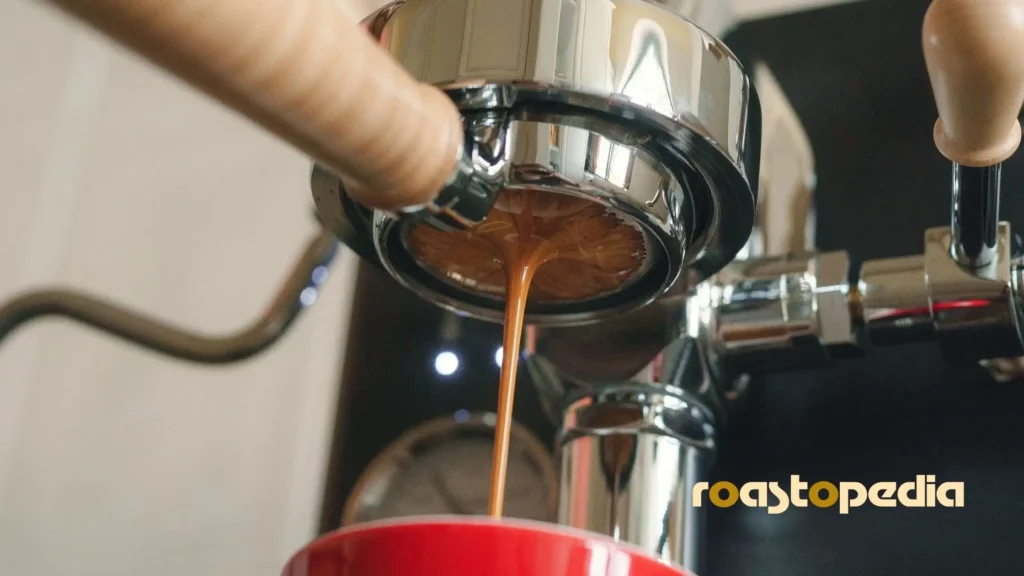
A bottomless portafilter or naked portafilter is an espresso machine component that has been modified to remove the floor and spouts of the filter basket housing.
This design exposes the entire underside of the internal filter basket to the direct view of the barista during the brewing process. It serves as a critical diagnostic and training tool for observing the real-time dynamics of high-pressure coffee extraction.
Origin & History
Development of the modified portafilter body began in the specialty coffee communities of the United States and Australia during the early 2000s. Early pioneers sought a way to visually verify if their distribution and tamping techniques were creating an even resistance within the coffee bed. They physically machined the bottoms off of standard commercial handles to create the first “naked” versions of the tool.
Online forums like CoffeeGeek and Alt.Coffee served as the primary incubators for the widespread adoption of this experimental design. Enthusiasts and professionals shared photographs and videos of their extractions to troubleshoot common brewing defects like channeling. This collaborative era of discovery turned a niche modification into a global standard for high-level technical training.
Commercial manufacturers eventually recognized the demand for these tools and began producing dedicated bottomless handles as part of their standard product lines. Today, almost every major espresso machine brand offers a factory-certified version of the naked portafilter for their equipment. This evolution reflects the industry’s broader shift toward transparency and scientific rigor in coffee preparation.
Etymology
The etymological roots of the name are entirely descriptive and refer to the physical removal of the metal base that traditionally catches the brewed liquid. The alternative name “naked portafilter” was coined to emphasize the exposed and unprotected state of the filter basket. Both terms are used interchangeably within the specialty industry to describe the same specialized apparatus.
Technical nomenclature occasionally refers to the device as an “unspouted portafilter” to distinguish it from the traditional single or double-spouted models. However, this term is less common because it fails to capture the essential characteristic of the exposed basket floor. The simplicity of the “bottomless” designation has ensured its dominance in both professional and hobbyist lexicons.
Global adoption of the term has remained consistent as the specialty coffee movement expanded into non-English-speaking markets. In many cultures, the English term is used alongside local translations to signify a specific level of technical expertise and dedication. Understanding this name is a prerequisite for any barista wishing to participate in the international coffee dialogue.
Professional Evolution
Technical standards for barista certification now frequently include a mandatory assessment using a bottomless portafilter. Instructors use the tool to provide immediate visual feedback on a student’s ability to achieve a uniform extraction. This level of scrutiny ensures that the physical mechanics of brewing are mastered before a professional enters a commercial environment.
High-end specialty cafes often use bottomless portafilters for their regular service to maintain the highest possible sensory standards. This choice allows the lead barista to monitor the quality of every shot as it is being prepared for a guest. It transforms the act of coffee service into a continuous process of quality control and technical refinement.
Digital integration has further advanced the evolution of the tool through the use of high-speed cameras and image analysis software. Some modern training systems can automatically detect extraction defects by analyzing the flow patterns from a bottomless basket. Such technological leaps are turning the subjective art of “reading a shot” into a quantifiable scientific metric.
Diagnostic Value
Observing the formation of the “tiger striping” pattern on the underside of the basket is the most valuable benefit of the bottomless design. In a perfect extraction, the liquid should merge into a single, stable stream exactly in the center of the filter. Any deviation from this pattern indicates an inconsistency in the density or levelness of the coffee puck.
Spurting or spraying from the bottom of the basket provides an immediate warning of severe water channeling. These high-velocity jets of coffee occur when water finds a path of least resistance through a structurally weak point in the grounds. Identifying these events allows a barista to discard a defective shot before it ever reaches the customer.
Color changes during the extraction cycle offer additional clues about the progress of the chemical dissolution process. The transition from dark mahogany to a pale blonde color signals that the desirable oils and sugars have been mostly extracted. Monitoring this “blonding point” visually ensures that the shot is stopped at the moment of peak flavor balance.
Sensory Impact
Preservation of the crema’s structural integrity is a primary sensory advantage of using a bottomless portafilter. Because the liquid does not travel across metal surfaces or through a spout, more of the delicate micro-bubbles remain intact. This leads to a thicker, more resilient crema that enhances the visual appeal and aroma of the espresso.
Mouthfeel is significantly improved as the heavy oils and fats are delivered directly into the cup without being cooled or aerated by the portafilter body. Tasters often report a creamier and more syrupy texture in shots pulled with a naked handle. This purity of delivery allows the unique characteristics of a single-origin coffee to be fully experienced by the palate.
Temperature stability is subtly enhanced because the coffee does not lose any thermal energy to the spouts or the bottom of the handle. While the metal body must still be kept hot, the direct path to the cup minimizes any heat loss during the final stage of brewing. This ensures that the espresso is served at the ideal temperature for sensory evaluation.
Technical Challenges
Achieving a clean and splatter-free extraction with a bottomless portafilter requires an exceptional level of technical discipline. Any minor error in the distribution or tamping process will result in coffee spraying onto the machine and the surrounding workstation. This demanding nature makes the tool a perfect indicator of a barista’s true skill level.
The requirement for perfectly flat and precision-manufactured filter baskets is much higher when using a naked handle. Even a microscopic defect in the hole pattern of the basket can cause the extraction to appear uneven or messy. Professionals often invest in laser-scanned baskets to ensure that their equipment is not the source of their brewing issues.
Management of the “mess factor” is a practical consideration for any high-volume cafe choosing to use bottomless portafilters for service. Keeping the group head and the drip tray clean requires constant attention from the staff throughout the shift. This extra labor is viewed as a necessary trade-off for the superior quality and transparency provided by the tool.
Notable Facts
The first bottomless portafilters were often nicknamed “The Holy Grail” by enthusiasts who viewed a perfect, single-stream extraction as the ultimate achievement. This cultural reverence highlights the deep emotional and technical investment that specialty baristas place in their craft. Achieving a “god shot” remains a primary motivation for many dedicated practitioners.
Cleaning a bottomless portafilter is significantly faster and easier than maintaining a spouted model. Without internal chambers or spouts, there is no place for rancid coffee oils to accumulate and hide from regular cleaning cycles. A quick wipe with a clean cloth is often all that is needed to prepare the tool for the next shot.
Visual aesthetics of a bottomless extraction have made it a popular subject for social media content within the global coffee community. Slow-motion videos of coffee droplets merging into a golden stream have introduced millions of consumers to the beauty of the specialty movement. This visibility has helped demystify the professional barista’s work for the general public.
Related Concepts
Tiger Striping refers to the beautiful marbling of dark and light brown colors that appears in a well-extracted espresso stream. This visual phenomenon is caused by the alternating release of different chemical compounds and oils during the brew. It is the most sought-after visual indicator of a successful and balanced extraction.
Channeling is the primary defect that the bottomless portafilter was designed to detect and eliminate. It occurs when water creates a tunnel through the coffee bed, leading to an uneven and imbalanced flavor profile. Preventing this issue is the central goal of almost all modern espresso preparation techniques.
Blonding Point marks the moment in the extraction when the liquid turns a pale yellow color and begins to lose its flavor intensity. Stopping the shot at this precise moment prevents the inclusion of bitter and astringent compounds in the cup. The bottomless portafilter provides the most accurate way to monitor this critical transition in real-time.