
Terroir is a comprehensive term used to describe the set of environmental factors that shape the unique sensory characteristics of a coffee crop. This concept encompasses the geological, climatic, and topographical attributes of a specific geographic location. It represents the “place-based” identity that distinguishes one coffee origin from another in the global specialty market.
Origin & History
Concepts of environmental influence on agricultural quality were first formalized by French winemakers during the nineteenth century. These early viticulturists observed that grapes grown in specific plots of land produced wines with distinct and repeatable flavor profiles. They developed the term to capture the mysterious synergy between the soil, the sun, and the slope of the vineyard.
Coffee professionals began adopting the language of terroir during the late twentieth century as the specialty coffee movement gained momentum. This shift reflected a growing desire to move beyond generic commodity labels and celebrate the unique diversity of coffee-growing regions. It allowed the industry to treat coffee as a craft product with a specific lineage and sense of place.
Geographic branding through Appellation of Origin systems has since institutionalized the concept of terroir within the international coffee trade. Regions like Kona, Blue Mountain, and Nariño have legally protected their names to signify a specific quality linked to their unique environments. Such protections ensure that the value generated by a specific terroir remains with the farmers who cultivate it.
Etymology
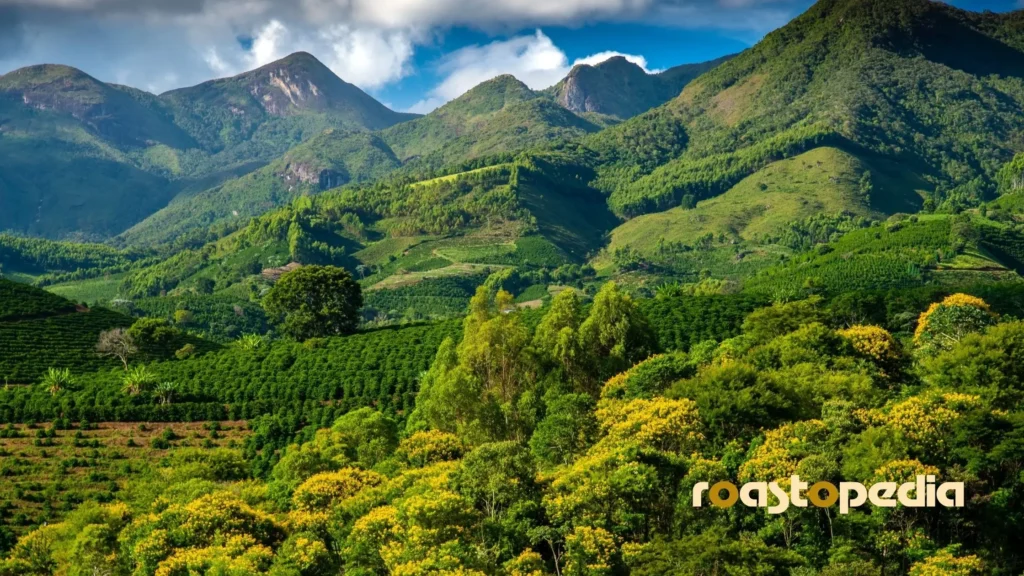
Lexical roots of the word trace back to the French ‘terre,’ meaning land or soil. In its original cultural context, the term implies a deep spiritual and physical connection between a community and the ground they inhabit. It suggests that a product is not just grown on the land but is a literal expression of the land itself.
English speakers often find the word difficult to translate directly because it lacks a singular equivalent in the English language. It is frequently described as “the taste of place” or “environmental character” to bridge this linguistic gap. Using the original French term preserves the intended nuance of a multi-dimensional and interconnected ecosystem.
Scientific definitions of the word have expanded to include the microbiological life within the soil and the specific local farming traditions. While the core meaning remains rooted in the physical landscape, modern usage acknowledges that human stewardship is often inseparable from the natural environment. This holistic perspective is essential for understanding the complexity of high-end coffee production.
Professional Evolution
Technical analysis of terroir has moved from subjective observation to the mapping of specific chemical precursors in the green bean. Researchers use gas chromatography to identify how soil minerals influence the development of volatile aromatic compounds. This scientific approach allows roasters to understand the potential of a harvest before it ever enters the drum.
Climate change has forced a professional re-evaluation of traditional terroir boundaries as growing zones shift to higher altitudes. Farmers in many regions are being forced to move their plantations upward to maintain the cool temperatures required for quality development. This migration highlights the fragile and dynamic nature of the relationship between the plant and its environment.
Specialty coffee buyers now use detailed terroir data to build complex flavor maps that guide their seasonal purchasing decisions. They look for specific microclimates that offer the ideal balance of rainfall and sun for a chosen cultivar. This level of environmental scrutiny has become a standard requirement for anyone operating at the elite level of the industry.
The Foundation of Soil
Volcanic soil is widely considered the gold standard for coffee terroir due to its high mineral content and excellent drainage. The porous nature of volcanic rock allows roots to penetrate deeply and access water even during extended dry periods. Rich deposits of potassium, phosphorus, and nitrogen provide the essential nutrients for vigorous tree growth and fruit development.
Clay-heavy soils found in some regions offer different advantages by retaining moisture and providing a stable foundation for the roots. These soils often require more careful management to prevent waterlogging, which can lead to root rot and poor nutrient uptake. Understanding the physical structure of the Earth is the first step in managing a successful coffee farm.
Microbiological activity within the soil acts as a silent partner in the creation of flavor through the decomposition of organic matter. Fungi and bacteria break down complex materials into simple nutrients that the coffee tree can easily absorb. A healthy and biodiverse soil ecosystem is a primary indicator of a resilient and high-performing terroir.
The Influence of Altitude
High altitude is the most influential topographical factor in the production of specialty-grade coffee beans. Cooler temperatures found at elevations above 1,200 meters slow down the maturation process of the coffee cherry. This extended ripening period allows the plant to concentrate more sugars and organic acids within the seed.
Density in the coffee bean is a direct physical result of the slow development occurring in high-altitude environments. Denser beans possess a more complex internal structure that can withstand the high heat of the roasting process without burning. This physical characteristic is highly sought after by roasters who want to highlight vibrant acidity and sweetness.
Ultraviolet light exposure increases as altitude rises, which can trigger the production of specific protective compounds in the plant. These chemical responses often translate into more intense floral and fruity notes in the final cup. The interplay between light, air pressure, and temperature at high elevations creates a truly unique brewing experience.
Climate and Rainfall
Rainfall patterns dictate the flowering and harvesting cycles of the coffee tree across the entire agricultural year. A distinct dry season is necessary to trigger the blossoming process and ensure a uniform ripening of the cherries. Too much rain during the harvest can lead to the fruit splitting or the development of mold on the drying beds.
Humidity levels influence the rate at which coffee cherries lose moisture and the efficiency of the post-harvest processing. In regions with high ambient humidity, producers often use mechanical driers or specialized greenhouses to protect the quality of the green beans. Every breath of air in the terroir plays a role in the eventual stability and flavor of the product.
Temperature stability within the “coffee belt” ensures that the trees remain in a constant state of productive growth. Sudden frost or extreme heatwaves can devastate a harvest and permanently damage the health of the plantation. Protecting the local climate through reforestation and shade-growing practices is a vital strategy for preserving terroir.
Notable Facts
Nariño, Colombia, is home to some of the highest-altitude coffee farms in the world, with some plots reaching 2,300 meters above sea level. This extreme terroir produces beans with a legendary level of acidity and complexity that is rarely found elsewhere. The proximity to the equator allows these high-altitude trees to survive without the risk of freezing.
Islands like Hawaii and Jamaica possess unique maritime terroirs where the salty sea air and constant trade winds influence the flavor profile. These environments often produce coffees with a smooth, mild character and a distinct lack of bitterness. The isolation of these island ecosystems has allowed for the preservation of rare and historic coffee lineages.
Intercropping with fruit trees or legumes can subtly alter the terroir of a coffee farm by changing the soil chemistry and light levels. Trees that provide shade also contribute fallen leaves that act as a natural mulch and nutrient source for the coffee. These intentional agricultural choices are a key component of what is often called “human terroir.”
Related Concepts
Microclimate refers to the specific atmospheric conditions found in a very small area, such as a single valley or a specific hillside. A large coffee estate may contain several different microclimates that each produce a slightly different flavor profile. Buyers often pay a premium for “microlots” that come from the most exceptional plots on a farm.
Appellation is the legal designation used to certify that a product was grown in a specific and protected terroir. This system provides a guarantee of origin and quality for the consumer while protecting the heritage of the producer. It serves as the bridge between the physical geography of the land and the economic value of the product.
Seasonality acknowledges that terroir is not a static constant but changes with the annual cycles of weather and harvest. The flavor of a coffee from the same farm can vary from year to year based on the amount of rainfall or the average temperature. Embracing this variability is a core tenet of the specialty coffee industry’s appreciation for nature.