
Coffee calibration, also known as dialing in, is the systematic alignment of brewing variables to achieve a specific flavor profile and extraction standard. This professional practice ensures that the mechanical output of a grinder and espresso machine matches the sensory goals of the coffee specialist. It remains the most critical daily ritual for maintaining consistency within a high-volume café environment.
Origin & History
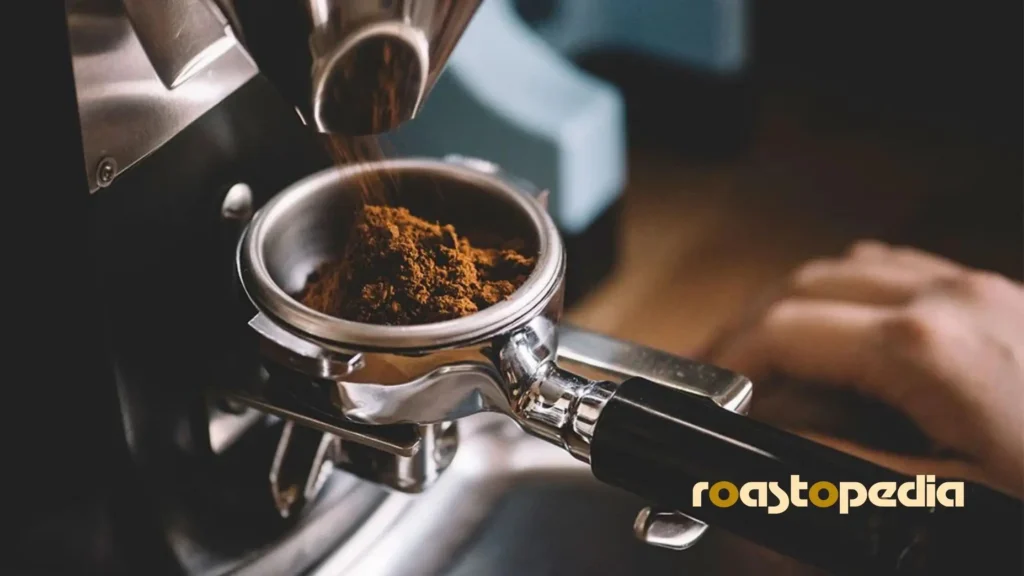
Manual adjustments of coffee equipment have existed since the earliest days of commercial espresso production in Italy. Early operators relied on physical tactile feedback to determine if a grind was too coarse or too fine. This period prioritized intuition and sensory experience over precise numerical measurement.
Scientific approaches to equipment alignment gained prominence during the late twentieth century as digital scales became affordable. Professionals began to realize that small variations in dose weight could lead to significant changes in flavor. This realization transformed the act of “dialing in” from a rough estimate into a rigorous scientific protocol.
Industrial standardization has further refined calibration methods through the introduction of precision flow meters and pressure profiles. Modern machines can now repeat a calibrated recipe with incredible accuracy across thousands of service cycles. Such advancements allow for a global consistency that was previously impossible for the industry to achieve.
Etymology
The etymological roots of the word trace back to the Arabic ‘qalib,’ which refers to a mold for casting metal or bullets. The term evolved through the French and Italian languages to describe the measurement of a tube’s internal diameter. This historical focus on precision and standardization perfectly aligns with its modern application in coffee preparation.
Vernacular usage in the coffee industry often substitutes “calibration” with the more informal phrase “dialing in.” This slang originated from the physical act of rotating the adjustment dials on a coffee grinder to change the particle size. Both terms describe the same essential process of reaching a target value through incremental adjustments.
Technical definitions of calibration in broader science involve comparing a measurement device against a known standard to ensure its accuracy. In coffee, the “standard” is usually a specific extraction yield or a pre-determined sensory profile. Brewers use this comparison to correct any drift in performance caused by mechanical or environmental factors.
Professional Evolution
Specialty coffee standards have elevated calibration from a simple morning task to a continuous professional duty. Baristas now check their extraction numbers multiple times per day to account for changes in the coffee’s age. This commitment to quality ensures that the last cup of the day is as excellent as the first.
Competitions have formalized the calibration process by requiring participants to explain their recipe adjustments to a panel of judges. These events test a professional’s ability to respond to unexpected flavor shifts under intense pressure. Such high-stakes environments have pushed the boundaries of what is possible in flavor management.
Digital platforms and smart equipment have introduced “cloud-based” calibration, where recipes can be shared instantly across different locations. A head roaster can now update the brewing parameters for a dozen cafés simultaneously from a remote office. This connectivity is revolutionizing how large coffee brands manage their sensory quality control.
Technical Responsibilities
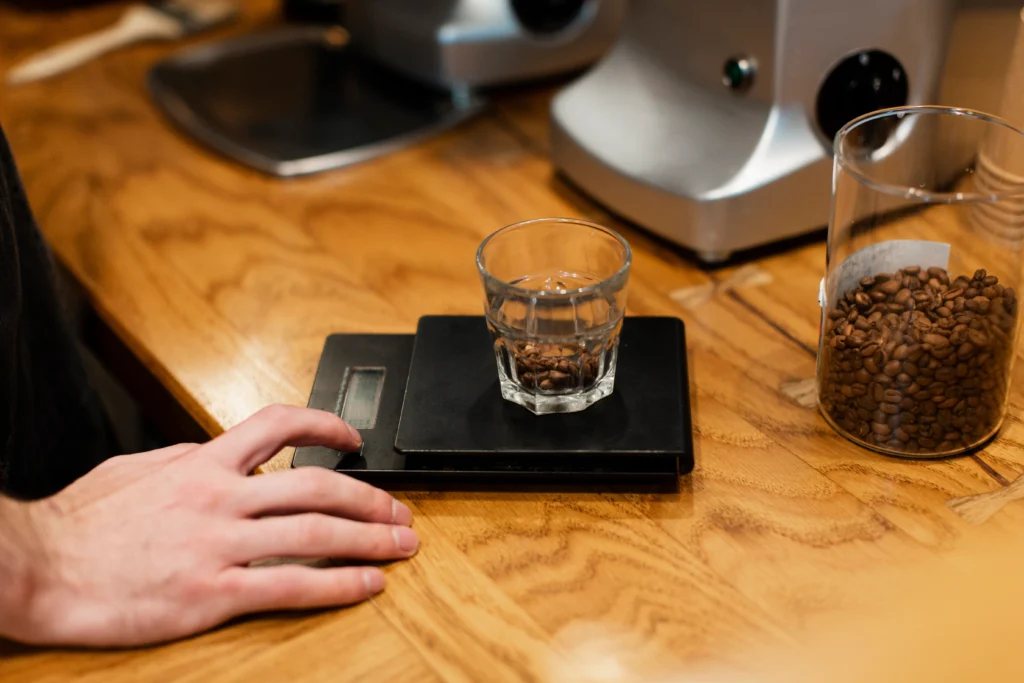
Precision management of the dry coffee dose is the foundational step in any successful calibration attempt. A deviation of as little as 0.2 grams can alter the resistance of the coffee bed and change the extraction time. Professionals use high-resolution scales to verify every dose before it enters the brewing chamber.
Grind size adjustment requires a deep understanding of the mechanical relationship between the grinder’s burrs. Moving the burrs closer together creates smaller particles and increases the surface area exposed to water. Baristas must make these changes incrementally to avoid overshooting their target flavor profile.
Water temperature stability is another critical variable that must be calibrated to match the specific roast level of the bean. Lightly roasted coffees often require higher temperatures to assist in the extraction of dense organic compounds. Constant monitoring of the boiler’s thermal output ensures that the heat remains within the desired range.
Sensory Requirements
Palate calibration between different staff members is essential for maintaining a unified flavor standard in a café. Team members must taste the same coffee and agree on the presence of specific tasting notes like acidity or sweetness. This shared sensory vocabulary prevents conflicting adjustments from being made during a shift.
Sensory feedback serves as the final arbiter when technical data conflicts with the actual experience of the drink. A shot may fall within the correct time and weight parameters but still taste unpleasantly bitter or sour. In these cases, the professional must trust their palate to make the necessary corrective changes.
Evaluating the finish and aftertaste of a coffee provides vital clues about the state of the extraction. A clean, lingering sweetness indicates a successful calibration, while a dry or metallic finish suggests a need for further adjustment. Training the tongue to recognize these subtle cues takes years of dedicated practice.
Calibration Drift: What Is It?
Mechanical fatigue in the grinder burrs serves as a primary driver of calibration drift during high-volume service. As the motor generates heat, the metal components expand and subtly alter the distance between the cutting surfaces. This thermal expansion causes the particle size to shift, necessitating proactive adjustments to maintain the target extraction time.
Ambient environmental changes, particularly fluctuations in humidity and air pressure, exert a continuous influence on roasted coffee.
Porous beans absorb or release moisture in response to the café’s atmosphere, which directly impacts how they shatter during the grinding process. Baristas must recognize that a recipe set in the morning rarely remains accurate as the external weather conditions evolve.
Chemical changes within the coffee itself, specifically the loss of carbon dioxide, contribute to a gradual decline in brewing resistance over time. As roasted beans age, the escaping gases no longer provide the same level of back-pressure against the water stream.
Regular recalibration ensures that these natural degassing processes do not compromise the clarity or body of the final espresso.
Calibration Drift and How It Affects Q-Grader Recertification
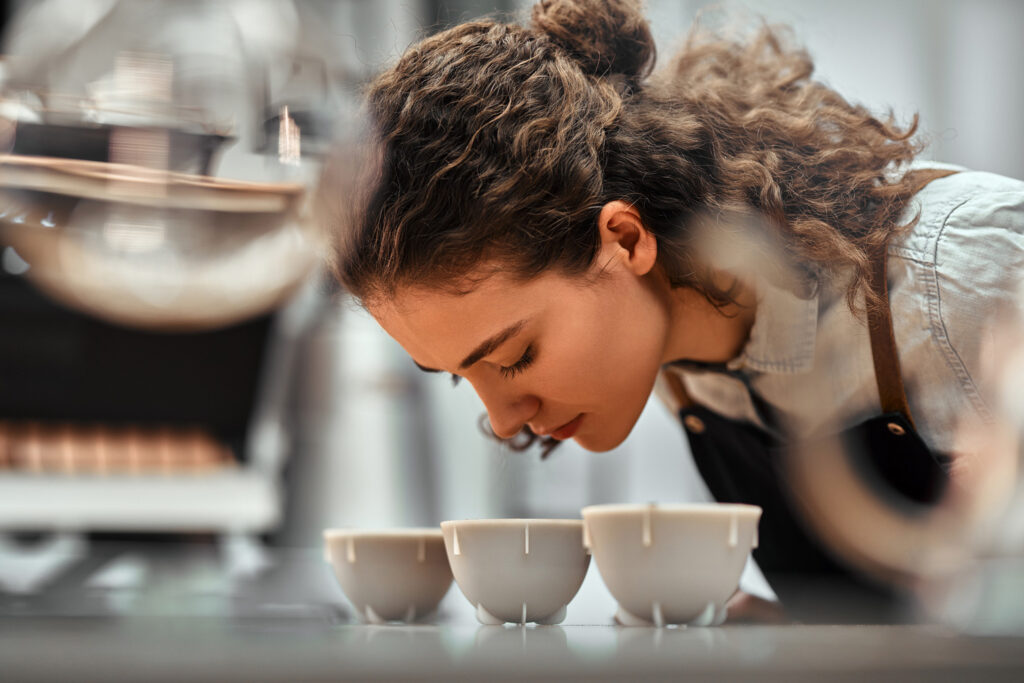
Sadly, even Q-Graders can suffer from ‘calibration drift’ if not careful. Palate drift occurs when a certified professional’s sensory evaluation begins to deviate from the established international standards for coffee quality.
This phenomenon is a natural result of biological aging, cultural dietary influences, and the gradual erosion of sensory memory. Professionals must acknowledge that a palate remains a measurement tool that requires periodic adjustment to maintain objective accuracy.
The Coffee Quality Institute mandates a formal calibration course every thirty-six months to combat this inevitable sensory divergence. During these intensive sessions, cuppers must pass at least two out of three cupping flights to prove they are aligned with the group’s consensus.
Failure to meet these rigorous standards signifies that the grader’s internal scale has drifted too far to be considered reliable for international trade.
Recertification serves as the industry’s primary mechanism for maintaining a unified global language for coffee quality. If a grader fails their calibration attempt, they must undergo additional testing within a specific timeframe to regain their active license status. This system ensures that the “Q” designation remains a prestigious and scientifically valid marker of professional sensory precision.
Environmental Variables
Humidity levels in the café can cause roasted coffee beans to absorb moisture and expand slightly. This physical change alters how the beans shatter in the grinder, leading to a shift in the overall extraction rate. Professional baristas must recalibrate their equipment as the weather changes throughout the day.
Temperature fluctuations within the hopper can also affect the consistency of the grind and the flavor of the brew. As the grinder’s motor heats up during a busy shift, the metal burrs may expand and slightly change the gap between them. Active temperature management is becoming a standard feature in high-end commercial coffee grinders.
Ambient air quality and altitude play a minor but measurable role in how water interacts with coffee grounds. Cafés located at high elevations must account for the lower boiling point of water when setting their brewing temperatures. These environmental nuances require a flexible and observant approach to the calibration process.
Notable Facts
International coffee chains often employ “master calibrators” whose entire job is to ensure flavor uniformity across hundreds of stores. These individuals travel between locations to verify that equipment is functioning according to the brand’s specific sensory blueprints. Their work is a testament to the industrial scale of modern coffee quality control.
Psychological factors can influence calibration, as a barista’s palate can become fatigued after tasting dozens of espresso shots. Most professionals use small sips of sparkling water or plain crackers to cleanse their palates between samples. Maintaining a fresh and objective sensory perspective is a constant challenge in the field.
Automation in calibration is currently being explored through the use of artificial intelligence and real-time sensory sensors. Some emerging technologies can detect flavor compounds in the liquid stream and automatically adjust the grinder settings. While promising, these tools still require human oversight to ensure the highest levels of artisan quality.
Related Concepts
Yield refers to the total weight of the brewed coffee in the cup and is a primary variable in the calibration equation. Changing the yield allows a barista to dilute or concentrate the flavors to find the perfect balance. This relationship between dose and yield is known as the “brew ratio.”
Contact time is the duration that water spends interacting with the coffee grounds during the brewing cycle. In espresso, this is typically measured in seconds and acts as a secondary indicator of grind accuracy. Monitoring this time helps baristas identify when the grinder needs a physical adjustment.
Tamping pressure must be kept consistent to ensure that the calibration results remain valid over multiple shots. If the barista changes how hard they press the coffee, the water will flow through the bed at a different rate. Using a calibrated tamper or an automated tamping machine can eliminate this human variable.