
Coffee aroma, or aroma in coffee, refers to the smells and fragrances released from coffee beans and brewed coffee.
It is one of the most important elements of coffee tasting and greatly influences how coffee flavors are perceived. Before even taking a sip, aroma helps shape the overall coffee experience.
Coffee aroma develops from hundreds of aromatic compounds formed during roasting. These compounds create scents that may resemble chocolate, fruit, flowers, nuts, spices, or caramel. Different coffees can therefore produce very different aromatic experiences.
Freshly ground coffee usually releases the strongest aromas. This is because grinding exposes volatile compounds that quickly escape into the air. For many coffee lovers, aroma is one of the most enjoyable parts of preparing coffee.
Why it Matters in Coffee
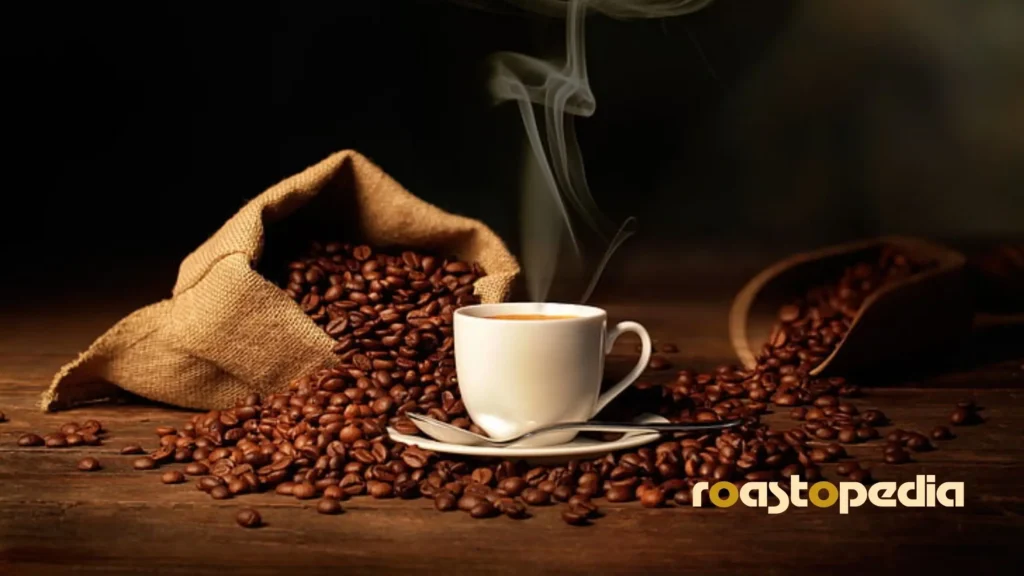
Aroma plays a major role in coffee quality evaluation. Professional tasters carefully assess aroma during cupping sessions because it reveals important information about freshness, roast quality, and flavor complexity.
Strong and pleasant aromas usually improve the coffee-drinking experience. A coffee with rich floral or fruity aromas may seem more flavorful even before tasting it. Aroma, therefore, contributes significantly to how people perceive taste.
Specialty coffee often emphasizes aroma because it helps showcase origin characteristics. Different regions and processing methods can create distinct aromatic profiles that make coffees more memorable and unique.
How it Appears in Practice
Coffee aroma becomes noticeable during grinding, brewing, and tasting. Grinding coffee releases gases trapped inside the beans, producing an intense fragrance. Brewing with hot water further extracts aromatic compounds into the air.
The roast level strongly influences aroma. Light roasts may produce floral or fruity aromas, while darker roasts often create smoky, nutty, or chocolate-like scents. Brewing methods can also affect aromatic intensity.
Freshness is another important factor. Recently roasted coffee generally has stronger and more vibrant aromas than stale coffee. Improper storage may cause coffee to lose much of its aromatic quality over time.
Examples in Coffee
Different coffees produce different aromatic experiences. Ethiopian coffees are often known for floral and berry-like aromas, while Brazilian coffees commonly display chocolate and nut scents. Colombian coffees may show a caramel or citrus-like fragrance.
Espresso usually creates concentrated aromas because of its strength and pressure-based extraction. Pour-over brewing can also highlight delicate aromas due to its clean and controlled extraction process.
Coffee professionals often use descriptive words such as floral, fruity, spicy, earthy, smoky, or sweet when discussing aroma. These descriptions help communicate the sensory experience more clearly.
Common Misunderstandings
One common misconception is that aroma and taste are completely separate. In reality, smell strongly influences flavor perception. Much of what people describe as coffee flavor is actually connected to aroma.
Another misunderstanding is that a stronger aroma always means better coffee. Extremely smoky or burnt aromas may indicate over-roasting rather than quality. Balance and pleasantness are more important than intensity alone.
Some coffee drinkers also confuse aroma with fragrance. In coffee terminology, fragrance usually refers to the smell of dry grounds, while aroma often refers to the smell released after brewing.