
Bulletproof Coffee is a high-fat, zero-carbohydrate beverage that represents the intersection of “biohacking” and ancient high-altitude traditions. The drink was popularized in 2009 by Dave Asprey, an American entrepreneur and pioneer of the biohacking movement. Asprey’s “discovery” occurred in 2004 during a trek in the Himalayas of Tibet. At an altitude of 18,000 feet, suffering from extreme cold and altitude sickness, Asprey was given a traditional cup of yak-butter tea. He noted an immediate and sustained increase in physical energy and mental clarity, which he later attributed to the combination of caffeine and healthy fats.
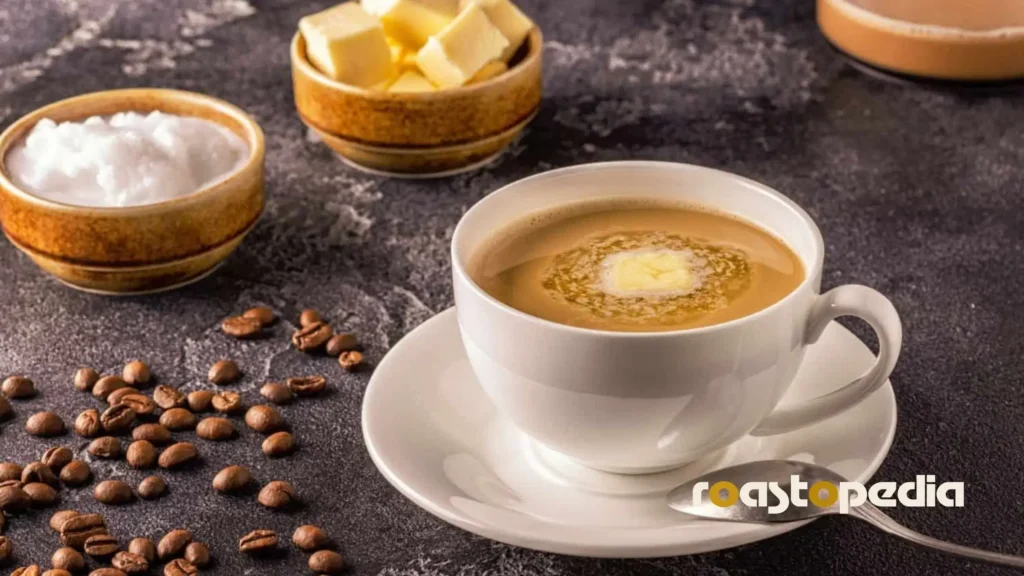
Upon returning to the United States, Asprey spent several years “hacking” the recipe to suit the Western palate and available ingredients, replacing yak butter with grass-fed cow’s butter and tea with “mycotoxin-free” coffee. He also added, “MCT oil” (medium-chain triglycerides), a purified form of coconut oil. In 2011, he officially launched the “Bulletproof” brand, positioning the drink as a replacement for breakfast that would “optimize” human performance, suppress appetite, and promote fat loss through ketosis. The drink became a cornerstone of the “Paleo” and “Keto” diet movements, growing from a blog post into a multi-million dollar “functional food” empire.
Etymology
The etymology of “Bulletproof” is metaphorical rather than literal. Asprey chose the name to signify a state of “invincibility” or high resilience. To be “bulletproof,” in his nomenclature, is to have a brain and body that function at peak levels without the “crashes” associated with sugar and carbohydrates. The name also reflects the “tech-bro” culture of Silicon Valley, where the drink first gained traction, emphasizing performance, efficiency, and “protection” against metabolic decline. In scientific circles, it is more precisely referred to as “Butter Coffee” or “MCT-fortified coffee,” but the “Bulletproof” branding has become the “generic trademark” for the category.
The Science of the Brew
The science of Bulletproof Coffee is based on the principles of “lipolysis” and “sustained-release caffeine.” When caffeine is consumed alongside a high dose of lipids (fats), the absorption rate of the caffeine into the bloodstream is significantly slowed. This prevents the “spike and crash” cycle, providing a steady level of alertness over 4 to 6 hours. Furthermore, the MCT oil—specifically caprylic acid (C8)—is unique because it bypasses the standard digestive process in the liver and is converted directly into “ketones,” which serve as an immediate fuel source for the brain.
A critical technical requirement for Bulletproof Coffee is “mechanical emulsification.” Simply stirring butter into coffee results in a greasy, unpalatable layer of oil on the surface. To create a drinkable beverage, the coffee and fats must be blended at high speeds (blender or milk frother). This process breaks the fats into “micelles”—tiny droplets surrounded by coffee proteins. This creates a stable emulsion that looks and tastes like a creamy latte but contains no dairy proteins (if using clarified butter or ghee) and zero lactose.
| Component | Technical Role | Specific Requirement |
| Coffee Base | Stimulant / Antioxidant | “Mycotoxin-free” (Wet-processed) |
| Lipids (Butter) | Satiety / Fat-soluble Vitamins | Grass-fed / Unsalted |
| MCT Oil | Immediate Ketosis | Caprylic (C8) / Capric (C10) |
| Emulsification | Micelle Formation | High-speed Blending |
| Carbohydrates | Zero | N/A |
| Caloric Density | High | 300 – 450 kcal |
Taste & Sensory Profile
The sensory profile of Bulletproof Coffee is surprisingly rich and “creamy,” bearing a closer resemblance to a heavy-bodied latte than to butter. The blending process aerates the coffee, creating a thick layer of “froth” on top. The flavor is defined by a “nutty” and “savory” sweetness, with the grass-fed butter providing a hint of “pasture” and the MCT oil remaining flavorless but adding a “slick” or “silky” mouthfeel. Because there are no sugars to mask the coffee, the quality of the beans is paramount; the drink highlights the “darker” notes of the roast—chocolate, earth, and smoke. The finish is notably clean, leaving the mouth feeling “coated” but not sticky.
Variations
The most common variation is the use of Ghee (clarified butter) instead of whole butter, which is preferred by those with severe lactose or casein sensitivities. Another variation is the “Keto Latte,” which adds collagen peptides or protein powder to the mix. In the fitness community, “Bulletproof Iced Coffee” is made by blending the fats with hot coffee first and then pouring the emulsion over ice, though the fats can begin to “clump” as they cool. Some “biohackers” also add sea salt, cinnamon, or “L-Theanine” to further modulate the caffeine response and flavor profile.
Notable Facts
A significant but controversial fact about Bulletproof Coffee is the “Mycotoxin” claim made by Dave Asprey. He argues that most commercial coffee is contaminated with mold toxins (Aflatoxin, Ochratoxin A) that cause “brain fog.” While mycotoxins are a real concern in agricultural science, independent studies have shown that the wet-processing methods used by almost all specialty coffee producers already reduce these toxins to undetectable levels, making “mycotoxin-free” branding largely a marketing distinction. Additionally, from a nutritional perspective, Bulletproof Coffee can contain as much fat as three sticks of butter, leading many cardiologists to warn against its daily use for those with “LDL-hyper-responsiveness.”
Related Drinks
Bulletproof Coffee is the direct descendant of the Tibetan “Po Cha” (Yak Butter Tea) and the Ethiopian “Kibe” coffee (coffee with spiced butter). It is functionally related to the “Fat Bomb” snacks used in ketogenic diets and is structurally a “Carbohydrate-free Latte.” It serves as the primary inspiration for the modern “Functional Coffee” category, which includes coffees infused with mushrooms, adaptogens, and proteins.