
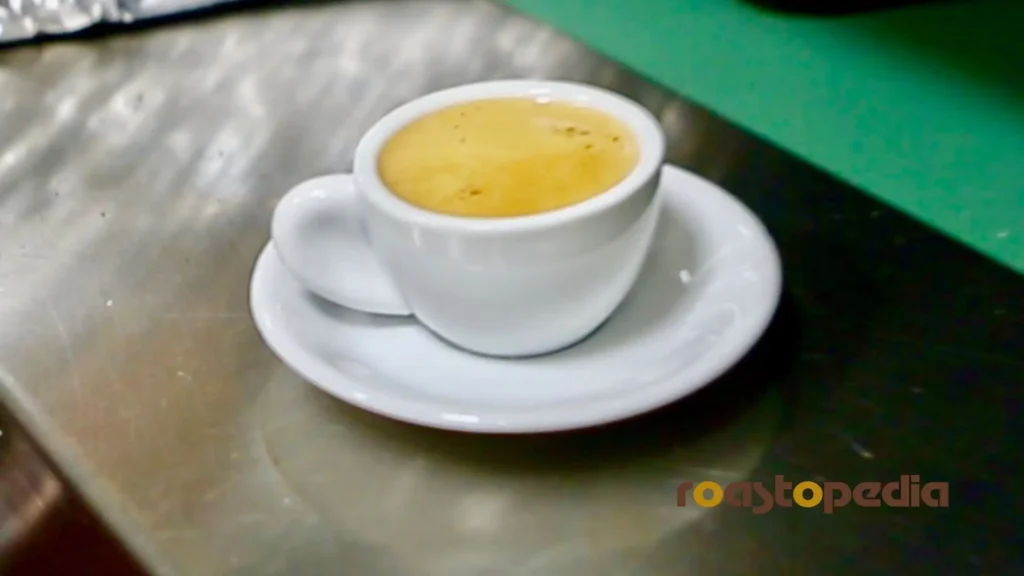
Coladita is a small serving of traditional Cuban coffee that originates from the larger and more communal coffee style known as the Colada. The name “coladita” translates to “little colada,” reflecting its smaller size and more individual-focused serving style.
At its core, a coladita consists of strong Cuban espresso sweetened during the brewing process. It delivers an intense coffee experience that combines bold flavors, thick body, and a distinctive sugary sweetness.
Although often compared to regular espresso, coladita has its own identity. The preparation method, sweetness, and cultural role distinguish it from espresso traditions found in Italy, France, or other coffee-drinking regions.
The History of Coladita Coffee
The roots of coladita trace back to Cuba’s long relationship with coffee cultivation and consumption. Coffee arrived in Cuba during the eighteenth century and quickly became an important agricultural product across the island.
Over time, Cuban coffee culture developed its own unique customs. One of the most notable traditions involved sweetening espresso during preparation rather than after brewing.
This practice eventually gave rise to Cuban coffee drinks such as café cubano, cortadito, colada, and coladita. These beverages became deeply embedded in daily Cuban life, appearing in homes, workplaces, social gatherings, and neighborhood cafés.
Following Cuban migration to countries such as the United States, particularly Florida, these coffee traditions traveled abroad. Cities like Miami, particularly ‘Little Havana,’ became major centers for preserving and promoting Cuban coffee culture.
Today, coladita, colada, and cortadito, remain popular among Cuban communities and coffee enthusiasts worldwide. It serves as both a beverage and a cultural symbol that reflects Cuban hospitality and social connection.
What Makes Coladita Coffee Different?
The primary distinction between coladita and standard espresso lies in the sweetened preparation process. Instead of adding sugar after brewing, Cuban coffee makers traditionally whip the first drops of espresso together with sugar to create a creamy foam called espumita.
The espumita is then combined with the remaining coffee. This creates a drink with balanced sweetness distributed throughout every sip.
Another difference is serving style. While a colada is usually intended for sharing among several people, a coladita is generally served in a smaller portion suitable for one person or a small group.
Ingredients Used in Making Coladita
Traditional coladita requires only a few ingredients. Simplicity is one reason for its enduring popularity.
The main ingredient is finely ground dark-roasted coffee. Cuban-style coffee blends are commonly used because they provide the bold flavor profile associated with the drink.
Sugar is equally important. White granulated sugar is traditionally used to create the signature sweetness and espumita.
Water completes the recipe. No milk or cream is added in a traditional coladita.
How Coladita Coffee is Made
Coladita is traditionally prepared using a stovetop moka pot. This brewing device produces a concentrated coffee similar in strength to espresso.
The process begins by filling the lower chamber with water. Finely ground coffee is placed into the filter basket without excessive tamping.
As the coffee brews, the first few drops are collected separately. These drops are vigorously mixed with sugar until a pale, creamy foam forms.
This foam is known as espumita. It is considered one of the defining characteristics of authentic Cuban coffee preparation.
Once brewing is complete, the remaining coffee is poured over the espumita. The mixture is stirred gently before serving.
The result is a sweet, aromatic, and highly concentrated coffee beverage. Despite its small size, coladita delivers a powerful flavor experience.
Coladita’s Flavor Profile
Coladita is known for its bold and intense flavor. The coffee possesses the strength and richness associated with dark-roasted beans.
Sweetness is immediately noticeable but does not completely overpower the coffee character. Instead, it softens bitterness while highlighting deeper flavor notes.
Many drinkers detect hints of chocolate, caramel, toasted nuts, and molasses. Some versions may also display subtle smoky undertones resulting from darker roasting levels.
The body is typically heavy and syrupy. This contributes to the satisfying mouthfeel that many coffee enthusiasts appreciate.
Aroma Characteristics
The aroma of coladita is often described as rich and inviting. Freshly brewed cups release strong roasted coffee fragrances that quickly fill the surrounding space.
Sweet notes accompany the roasted aromas. Many people notice scents resembling caramelized sugar, cocoa, brown sugar, or toasted nuts.
Depending on the coffee blend used, additional aromatic layers may emerge. These can include earthy, spicy, or slightly smoky characteristics.
The aroma plays an important role in the overall drinking experience. It prepares the senses for the drink’s bold flavor and concentrated strength.
How Coladita is Traditionally Served
Coladita is usually served hot and consumed shortly after brewing. Fresh preparation ensures maximum aroma and flavor intensity.
In Cuban households and cafés, the drink is often poured into small cups. These portions allow drinkers to enjoy the coffee without overwhelming the palate.
The beverage is frequently served during social interactions. Friends, relatives, coworkers, and neighbors often gather around coffee as part of daily conversation.
Its relatively small serving size makes it ideal for quick coffee breaks. Many people enjoy it while chatting, working, or welcoming guests.
Who Drinks Coladita?
Coladita has long been associated with Cuban communities. It remains a staple beverage among people who value traditional Cuban coffee culture.
Workers often drink it for an energy boost during the day. Its concentrated caffeine content makes it effective for increasing alertness and focus.
Many older generations continue to enjoy coladita because of its cultural significance. For them, the beverage represents family traditions and shared experiences.
Younger coffee enthusiasts have also embraced the drink. Its bold flavor and unique preparation method appeal to people seeking alternatives to conventional espresso beverages.
Tourists frequently try coladita while exploring Cuban neighborhoods and cafés. The drink offers a direct introduction to one of the Caribbean’s most recognizable coffee traditions.
Coladita Variations
Several variations of coladita exist across different regions and households. Small changes in ingredients and preparation can create noticeably different experiences.
Some recipes use varying amounts of sugar. Less sugar produces a stronger coffee-forward profile, while additional sugar creates a sweeter and smoother beverage.
Different coffee blends may also be used. Certain blends emphasize chocolate and nutty notes, while others introduce more smoky or earthy characteristics.
Some modern cafés experiment with specialty coffee beans. These versions may highlight fruitier or more complex flavors while maintaining the traditional Cuban preparation style.
In certain cases, coladita may be paired with milk on the side. Although not considered traditional, this adaptation appeals to drinkers who prefer a milder coffee experience.
Coladita in Modern Coffee Culture
As interest in global coffee traditions continues to grow, coladita has gained recognition beyond Cuban communities. Coffee lovers increasingly seek authentic regional beverages with distinctive histories.
Specialty coffee shops in various countries now feature Cuban-inspired drinks on their menus. This has introduced Coladita to new audiences around the world.
Social media and coffee-focused publications have further increased awareness. Enthusiasts frequently share brewing techniques, recipes, and cultural stories related to Cuban coffee traditions.
Despite these modern developments, the essence of coladita remains unchanged. It continues to celebrate strong coffee, sweetness, hospitality, and community.
What Now?
Coladita is much more than a small cup of sweet Cuban coffee. It represents centuries of coffee tradition, cultural identity, and social connection.
Its bold flavor, rich aroma, creamy espumita, and distinctive preparation method make it one of the most recognizable beverages in Cuban coffee culture. Whether enjoyed in Little Havana, Miami, or anywhere else in the world, coladita continues to bring people together one small cup at a time.