
Cultivar is a technical term used to describe a plant variety that has been produced or selected through human-managed horticultural techniques. This designation distinguishes human-cultivated plants from naturally occurring varieties found in wild populations. Within the coffee industry, cultivars represent the primary means of ensuring quality, yield, and disease resistance in a specific harvest.
Origin & History
Systematic cultivation of coffee began several centuries ago in the mountain forests of Ethiopia and the terraced farms of Yemen. These early agricultural efforts involved the careful selection of seeds from wild trees that displayed superior growth characteristics or exceptional fruit quality. Over time, these chosen plants evolved into the foundational lineages that now populate coffee farms across the globe.
Commercial expansion led to the distribution of specific cultivars across the tropical regions of Asia and the Americas during the colonial era. The Dutch East India Company and French horticulturalists played critical roles in spreading the Typica and Bourbon lineages, respectively. These two historical parents remain the genetic foundation for the vast majority of specialty Arabica coffee produced today.
Modern agricultural research has accelerated the development of new cultivars through controlled breeding programs and genetic analysis. Organizations like World Coffee Research work to identify plants that can withstand the mounting threats of climate change and coffee leaf rust. Such efforts ensure that the biodiversity of the coffee species remains resilient for future generations of growers and consumers.
Etymology
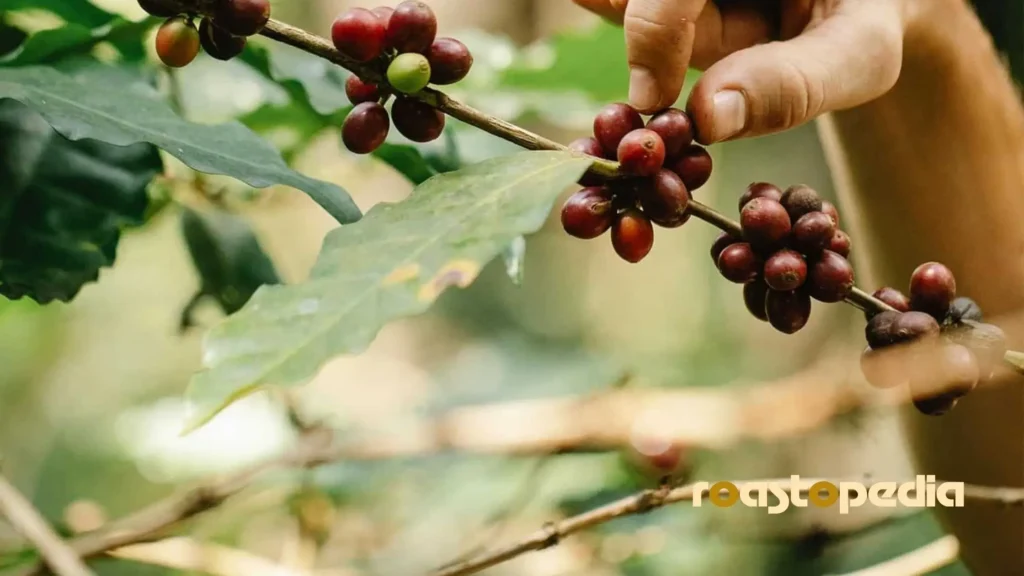
Lexical roots of the term trace back to a twentieth-century portmanteau of the words ‘cultivated’ and ‘variety.’ Horticulturist Liberty Hyde Bailey first proposed the word in 1923 to clarify the distinction between natural botanical forms and those shaped by human intervention. This linguistic precision allows scientists and farmers to communicate clearly about the origins of their crops.
Global adoption of the word within the coffee sector has helped standardize the labeling of single-origin coffee for the specialty market. Consumers often use the term interchangeably with “varietal,” though the latter more accurately refers to the wine produced from a specific grape. Understanding the correct technical usage highlights the intentional labor required to develop and maintain a specific coffee lineage.
Botanical nomenclature for cultivars typically involves placing the specific name in single quotation marks following the genus and species. For example, the famous Gesha plant is technically identified as Coffea arabica ‘Gesha’ to denote its status as a human-selected cultivar. This formal naming convention follows the International Code of Nomenclature for Cultivated Plants to ensure global scientific clarity.
Professional Evolution
Technical standards for identifying cultivars have shifted from simple visual inspection to sophisticated DNA fingerprinting. Professionals in the specialty coffee industry now rely on genetic testing to verify the authenticity of high-value crops like Bourbon or Geisha. This scientific rigor protects farmers and buyers from the accidental distribution of mislabeled or inferior plant stock.
Coffee roasters and buyers use cultivar information as a primary indicator of potential flavor profiles and market value. A roaster might target a specific cultivar like SL28 for its renowned acidity or Caturra for its reliable sweetness. This specialization allows for a more nuanced approach to sourcing and marketing premium coffee lots.
Agricultural training programs for coffee producers emphasize the importance of selecting the right cultivar for a specific microclimate and soil type. Farmers must balance the sensory quality of the plant against its susceptibility to local pests and environmental stressors. Consequently, the choice of cultivar is often the most significant financial decision a producer makes during the planting cycle.
Genetic Diversity
Arabica coffee represents the vast majority of high-value cultivars used in the specialty industry due to its complex and diverse flavor potential. However, the genetic pool of Arabica is remarkably narrow compared to many other commercial crops. This lack of diversity makes the species particularly vulnerable to sudden outbreaks of disease or shifting weather patterns.
Robusta cultivars are increasingly being integrated into breeding programs to provide much-needed genetic resilience and higher caffeine content. Hybrids like the Timor Hybrid have naturally crossed Arabica and Robusta to create plants that combine flavor quality with robust disease resistance. These genetic bridges are essential for maintaining a stable supply of coffee in a changing global environment.
Wild heirloom varieties found in the forests of Ethiopia continue to serve as a vital genetic library for future cultivar development. Scientists frequently return to these primary sources to find traits that may have been lost during centuries of commercial breeding. Protecting these wild populations is a top priority for international conservation groups and coffee researchers alike.
Sensory Profiles
Each cultivar possesses a unique chemical blueprint that dictates the fundamental flavors found in the roasted bean. Typica is often associated with a clean, sweet, and balanced cup profile that serves as the industry standard. Bourbon usually offers a more complex acidity and a distinctively syrupy body that is highly prized by specialty tasters.
Mutation and selection can lead to sudden shifts in sensory characteristics within a single plant lineage. The Caturra cultivar, for example, is a natural mutation of Bourbon that produces a higher yield on a more compact tree. Despite these physical changes, the plant maintains much of the characteristic sweetness that made its parent famous.
Terroir interacts with a cultivar’s genetic potential to produce a final flavor that is unique to a specific geographic location. A Gesha plant grown in Panama will taste significantly different from one grown in Ethiopia or Malawi. This dynamic relationship between genetics and environment is the foundation of the specialty coffee movement’s focus on origin.
Notable Facts
The Gesha cultivar became the world’s most famous coffee after its “rediscovery” at a Panamanian tasting competition in 2004. Originally collected in Ethiopia in the 1930s, the plant had been largely ignored for decades due to its low yield and brittle branches. Its floral and jasmine-like flavor profile set a new standard for sensory quality and market price in the coffee world.
International seed banks maintain thousands of different coffee cultivars in temperature-controlled environments to prevent extinction. These facilities serve as an insurance policy against catastrophic crop failures or the loss of wild habitats. Researchers can access these archives to find plants with specific traits needed for modern agricultural challenges.
Color variations in the ripening fruit can sometimes distinguish one cultivar from another within a single farm. Yellow Bourbon is a notable example where the coffee cherries turn a vibrant gold rather than the traditional deep red when they reach maturity. This visual distinction often correlates with subtle differences in the final sugar content and flavor profile of the brew.
Related Concepts
Variety is the broader botanical term used to describe naturally occurring variations within a species that are not necessarily the result of human selection. While the terms are often used interchangeably in casual conversation, a “cultivar” is always a product of intentional cultivation. This distinction is vital for maintaining the accuracy of botanical records and agricultural patents.
Heirloom refers to traditional cultivars that have been grown for many generations without significant industrial modification. In the context of Ethiopian coffee, “heirloom” often describes the thousands of wild or semi-wild varieties that have not been formally classified. These plants are the source of some of the most unique and sought-after flavors in the specialty market.
Mutation occurs when a plant’s DNA undergoes a spontaneous change that leads to a new physical or chemical trait. Many of the most successful coffee cultivars began as accidental mutations that were noticed and preserved by observant farmers. These lucky discoveries have played as much of a role in coffee history as intentional laboratory breeding.