
Acidity in coffee refers to the bright, lively, and vibrant taste sensations found in a cup of coffee. It is one of the most valued flavor characteristics in specialty coffee.
Contrary to what some people think, acidity in coffee does not mean the coffee is physically acidic or unpleasantly sour. However, coffee lovers who look for ‘low acid coffee’ tend to believe that the term means ‘coffee that has low amounts of acid.’
Coffee acidity is often compared to the refreshing qualities found in fruits such as oranges, berries, lemons, or apples. These flavor notes create complexity and help coffee taste more dynamic. A coffee with good acidity usually feels crisp, clean, and flavorful on the palate.
Acidity is naturally present in coffee beans and develops further during roasting and brewing. Different coffee origins, processing methods, and roast levels can all influence how acidity appears in the final cup.
Why Acidity Matters in Coffee
Acidity plays a major role in determining coffee quality and flavor balance. In specialty coffee, bright acidity is usually considered a desirable trait because it adds life and character to the beverage. Without acidity, coffee may taste flat, dull, or lifeless.
Professional coffee tasters, also known as Q graders, carefully evaluate acidity when assessing coffee quality. Coffees with pleasant and balanced acidity often receive higher scores in cupping sessions. This is especially true for high-quality Arabica coffees grown at high altitudes.
Acidity also helps distinguish coffees from different regions around the world. Ethiopian coffees may display citrus or berry-like acidity, while Kenyan coffees are often known for vibrant blackcurrant notes. This diversity is one reason why acidity is highly appreciated among coffee enthusiasts.
How Acidity Appears in Coffee
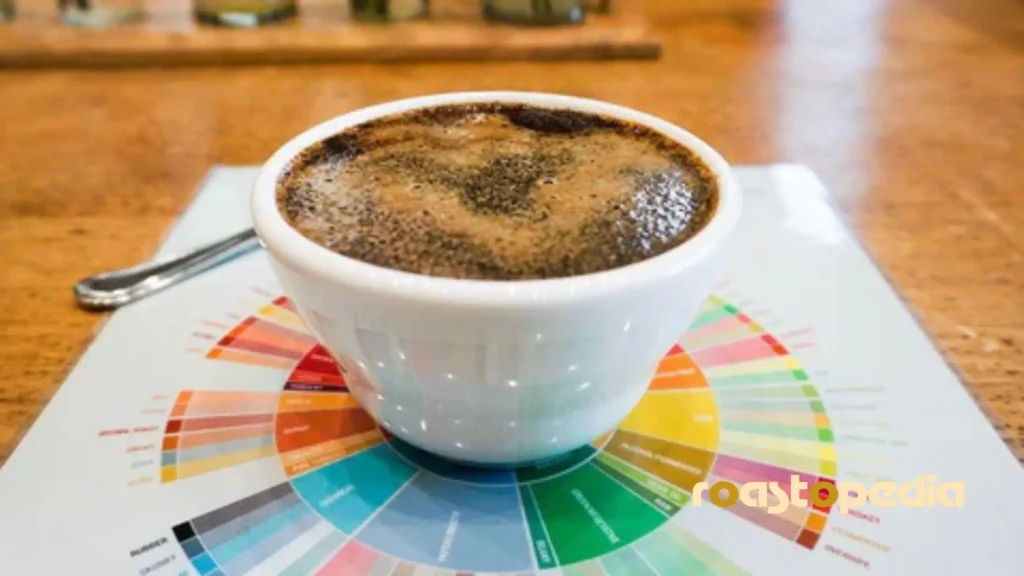
The acidity of coffee is influenced by several factors, including altitude, bean variety, roasting, and brewing technique. Coffee grown at higher elevations usually develops brighter and more complex acidity. Cooler temperatures allow the coffee cherries to mature slowly, enhancing flavor development.
Roasting also affects acidity significantly. Light roasts tend to preserve more acidity because the beans spend less time exposed to heat. Dark roasts often reduce acidity and create deeper, smokier flavors instead.
Brewing methods can either highlight or mute acidity. Pour-over methods commonly emphasize clarity and brightness, while immersion methods like the French press may produce a heavier and less acidic cup. Water temperature and grind size can also influence how acidity is extracted.
Examples of Acidity in Coffee
Many famous coffee-growing regions are known for their distinctive acidity profiles. Ethiopian Yirgacheffe coffees often display floral and citrus-like acidity. Kenyan coffees may have berry-like brightness, while Colombian coffees frequently show apple or caramel-like acidity.
Different fruits are commonly used to describe acidity in coffee tasting notes. Lemon-like acidity may feel sharp and crisp, while grape-like acidity can feel sweeter and softer. These comparisons help coffee drinkers better understand flavor experiences.
Specialty coffee shops often highlight acidity in tasting descriptions. You may see words such as “bright,” “juicy,” “sparkling,” or “vibrant” used to describe acidic coffees. These terms usually indicate a flavorful and lively cup.
Common Misunderstandings About Acidity
One common misconception is that acidic coffee automatically causes stomach discomfort. In reality, flavor acidity and chemical acidity are not always the same thing. A coffee can taste bright while still being relatively gentle on the stomach.
Another misunderstanding is that acidity means sourness. Good acidity should taste pleasant and balanced rather than harsh or fermented. Sour coffee is often the result of under-extraction, poor roasting, or low-quality beans.
Some people also assume dark roast coffee is always better because it tastes less acidic. However, reducing acidity also removes many delicate flavor characteristics that make specialty coffee unique.