
Arabica is the most widely consumed coffee species in the world. It is known for producing high-quality coffee with smooth, complex, and flavorful taste profiles. Most specialty coffee comes from Coffea arabica beans rather than other coffee species.
Arabica coffee is believed to have originated in Ethiopia before spreading across the world. Today, it is cultivated in many coffee-producing countries, especially in Latin America, Africa, and parts of Asia. The plant grows best in high-altitude regions with mild temperatures and stable rainfall.
Arabica beans generally contain less caffeine than Robusta beans. However, they are usually valued more highly because of their sweeter, softer, and more nuanced flavors.
Why it Matters in Coffee
Arabica plays a major role in the global coffee industry because it accounts for the majority of coffee production worldwide. Specialty coffee shops, premium roasters, and coffee competitions often focus heavily on Arabica beans due to their superior flavor quality.
The species is capable of producing a wide range of tasting notes. Depending on origin and processing method, Arabica coffees may display fruity, floral, nutty, chocolatey, or citrus-like characteristics. This complexity is one reason why coffee enthusiasts prefer it.
Arabica also influences coffee pricing and market demand. High-quality Arabica beans often sell at premium prices because they require more careful cultivation and are more vulnerable to pests and climate conditions.
How it Appears in Practice
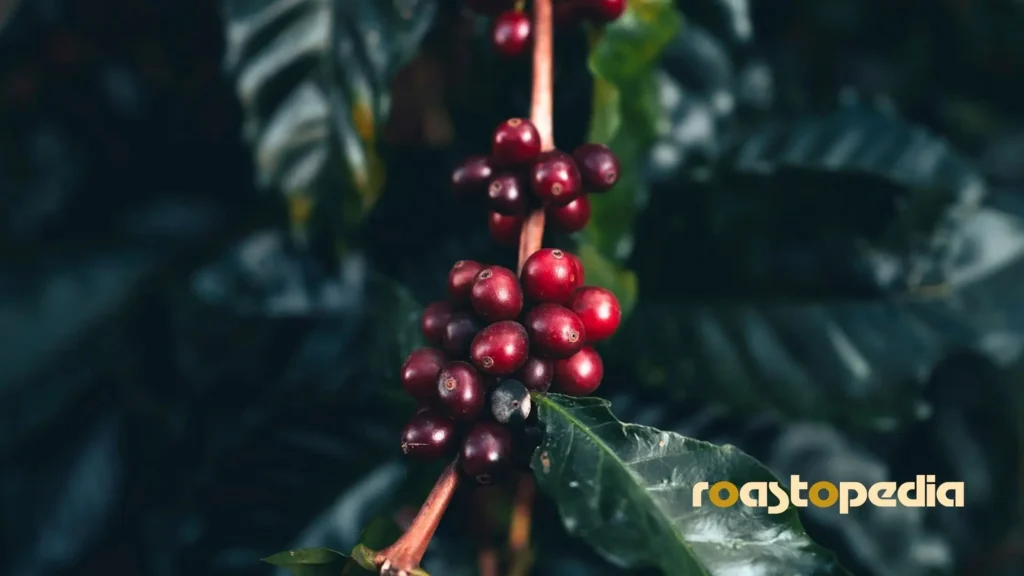
Arabica coffee is commonly found in specialty coffee shops and premium supermarket blends. Coffee labels often mention Arabica to indicate higher-quality beans. Some products specifically advertise “100% Arabica” as a selling point.
The plant itself is delicate compared to Robusta. Arabica trees require higher elevations, cooler climates, and careful farming practices to thrive. This makes cultivation more labor-intensive and sometimes more expensive.
Roasters often use Arabica beans to highlight origin flavors and unique tasting notes. Light and medium roasts especially help preserve the complexity that Arabica is known for.
| Arabica Varieties | Arabica Cultivars |
|---|---|
| Typica | Bourbon |
| Bourbon | Caturra |
| Ethiopian Landraces (Heirloom) | Catuai |
| Yemen Landraces | Mundo Novo |
| Sudan Rume | Pacas |
| Geisha (Gesha) | Villa Sarchi |
| Villa Lobos | |
| SL28 | |
| SL34 | |
| Ruiru 11 | |
| Batian | |
| Catimor | |
| Sarchimor | |
| Castillo | |
| Colombia | |
| Marsellesa | |
| Obatá | |
| Tabi | |
| Parainema | |
| Centroamericano H1 | |
| Milenio | |
| H3 | |
| IHCAFE 90 | |
| Java | |
| Mibirizi | |
| KP423 | |
| Acauã | |
| Arara | |
| Topázio | |
| Icatu | |
| Rubi | |
| Oeiras | |
| Catucaí | |
| Siriema | |
| Oro Azteca | |
| Costa Rica 95 | |
| Lempira | |
| Frontón | |
| Esperanza | |
| Anacafé 14 |
Examples in Coffee
Many famous coffee-growing regions are known primarily for Arabica production. Ethiopian Yirgacheffe, Colombian Supremo, and Jamaican Blue Mountain are all examples of well-known Arabica coffees. These coffees are appreciated for their flavor clarity and balance.
Arabica is also used in many espresso blends. Some roasters mix Arabica with small amounts of Robusta to increase crema and body while maintaining flavor quality.
Single-origin specialty coffees are almost always Arabica. Coffee competitions and cupping events frequently showcase high-grade Arabica beans from different regions around the world.
Common Misunderstandings
One common misconception is that Arabica automatically means excellent coffee. Although Arabica has the potential for higher quality, poor farming, roasting, the type of brew used, or the brewing process itself can still produce disappointing coffee.
Another misunderstanding is that Arabica is always less bitter than Robusta. Roast level and extraction also influence bitterness significantly. A dark-roasted Arabica coffee may still taste quite bitter.
Some people also assume all Arabica coffees taste the same. In reality, flavor profiles vary greatly depending on origin, altitude, processing method, and roasting style.